Contents:
- What Are Hair Extensions: The Fundamentals
- The Human Hair vs Synthetic Question
- Types of Hair Extension Methods
- Clip-In Extensions: The Removable Option
- Tape-In Extensions: Semi-Permanent Bonding
- Sew-In Extensions: Braided Weft Application
- Bonded (Glued) Extensions: Keratin Fusion
- Quality Grades and Hair Sourcing
- Virgin Hair
- Processed Hair
- Remy Hair
- Real-World Expectations: A Reader’s Experience
- Care and Maintenance for Extension Longevity
- Washing and Conditioning
- Styling and Heat Protection
- Sleeping and Protective Styling
- FAQ Section
- What are hair extensions and do they damage natural hair?
- How long do hair extensions last?
- Can you colour hair extensions?
- Which extension method is best?
- How much do hair extensions cost annually?
- Choosing Your Extension Method
Hair extensions are artificial or natural hair strands attached to your existing hair to add length, volume, or colour without growing your own hair or waiting years. The concept is straightforward; the execution varies dramatically. Understanding what hair extensions are, the different types, and how they’re applied helps you choose the right method for your specific goals and hair type.
What Are Hair Extensions: The Fundamentals
Hair extensions are lengths of human or synthetic hair bonded, sewn, clipped, or glued to your natural hair. They extend beyond your natural length, add volume where hair is thin, or introduce colours your natural hair doesn’t have. Extensions exist in every price range from £20 clip-in sets at Boots to £2000+ full-head professional applications at luxury London salons.
Two material categories exist: human hair extensions (more expensive, more versatile, longer-lasting) and synthetic extensions (cheaper, less versatile, shorter lifespan). Most extensions are human hair—sourced from donors, processed for colour consistency, and treated to behave like natural hair. Synthetic extensions use acrylic or polyester fibres and cannot be heat-styled, limiting their appeal despite lower cost.
The Human Hair vs Synthetic Question
Human hair extensions cost £200-2000 for a full head depending on length, thickness, and application method. They last 6-18 months with proper care. They can be blow-dried, curled, straightened, coloured, and treated identically to natural hair. They blend seamlessly and look utterly natural.
Synthetic extensions cost £40-300 for a full head. They last 2-6 months. They cannot be heat-styled; applying straighteners or curling irons melts the fibres. They look visibly synthetic to trained eyes because fibre texture differs from human hair. They’re practical only if you style hair minimally.
Regional availability varies. In Southeast England and London, human hair extensions dominate (90% of salon applications). In smaller regions or budget-conscious markets, synthetic extensions maintain demand despite limitations.
Types of Hair Extension Methods
Clip-In Extensions: The Removable Option
Clip-in extensions are individual hairpieces with combs or clips attached to the base. You clip them into your natural hair like you’re securing a hairpiece. Most people use 4-8 pieces across the head for full coverage.
Cost: £40-150 for a full set of clip-ins at UK retailers. Application time: 5-15 minutes yourself. Removal: seconds.
Advantages: no damage to natural hair, removable daily, reusable for 6-12 months, affordable. Disadvantages: visible when clipped in certain hairstyles, require nightly removal, slip occasionally during activity.
Ideal for: occasional wearers wanting length for events, those unwilling to commit to permanent extensions, people with hair damage concerns.
Tape-In Extensions: Semi-Permanent Bonding
Tape-in extensions are wefts (sections of hair) attached to your natural hair via adhesive tape. The tape bonds extension hair to sections of your roots. As natural hair grows, the tape slides down the shaft and requires repositioning every 6-8 weeks.
Cost: £200-400 for professional application. Products cost £100-200. Repositioning (every 6-8 weeks): £60-150 per session. Annual cost: £700-1000 for someone maintaining them consistently.
Application time: 1-2 hours professionally. Removal: painless; tape dissolves with remover solution. Damage risk: minimal if applied correctly; moderate if applied too close to the scalp or removed improperly.
Advantages: completely natural appearance, blend seamlessly, last 3-6 months, allow normal shampooing and styling. Disadvantages: professional application required, repositioning appointments necessary, tape visible in very thin hair, cumulative cost.
Ideal for: people wanting undetectable length increase, those able to commit to regular appointments, individuals with medium-to-thick natural hair.
Sew-In Extensions: Braided Weft Application
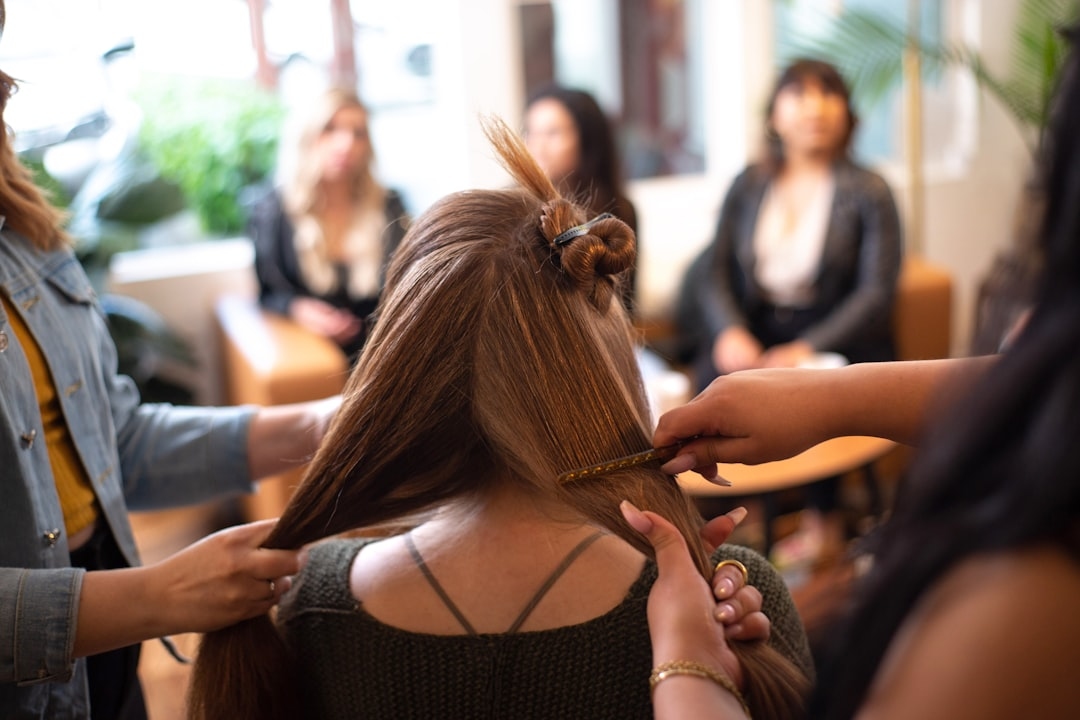
Sew-in extensions involve braiding your natural hair into cornrows, then sewing wefts of extension hair onto these braids using thread and needle. The entire head is covered with extension wefts, creating density and length.
Cost: £300-600 for professional application. The installation is labour-intensive, taking 3-4 hours. Removal and reinstallation costs £150-300.
Lifespan: 6-8 weeks before braid regrowth requires reinstallation. Durability: excellent; sew-ins don’t slip or shift.
Advantages: maximum hold, excellent for thick hair seeking volume, last 8-10 weeks reliably. Disadvantages: labour-intensive installation, visible braids if hair is pulled back, braid removal can damage natural hair if done improperly, limiting to specific hairstyles.
Common Mistakes to Avoid: Many people overwear sew-ins (12+ weeks) without reinstalling. This stresses natural hair under the braids, potentially causing permanent damage. Proper sew-in use requires reinstallation every 6-8 weeks, accepting the ongoing cost as necessary for hair health.
Ideal for: individuals with thick, strong natural hair, those seeking maximum hold and durability, people with protective-styling preferences.
Bonded (Glued) Extensions: Keratin Fusion
Individual extension strands are bonded to your natural hair using keratin fusion (heat-activated adhesive). Each bond attaches 10-50 extension hairs to a small section of natural hair. A full head might have 200-400 individual bonds.
Cost: £800-2500 for professional application. Installation takes 2-5 hours depending on hair thickness and desired volume. Removal requires specialist remover solution; improper removal causes breakage.
Lifespan: 3-6 months before regrowth shifts bonds. Maintenance: bonds require careful handling; tight hairstyles pull bonds excessively, shortening lifespan.
Advantages: completely natural appearance, blend seamlessly even with very short natural hair, allow any hairstyle, last several months if well-maintained. Disadvantages: highest cost, professional removal necessary, can damage hair if bonds slip or pull, require careful styling to protect bonds.
Ideal for: individuals wanting premium quality and appearance, those able to afford £800+ installation, people with damaged natural hair needing coverage.
Quality Grades and Hair Sourcing
Not all human hair extensions are identical. Quality varies dramatically based on sourcing and processing:
Virgin Hair
Unprocessed, never chemically treated hair sourced directly from donors. Costs £1000+ for a full head. Lasts 12-18 months with excellent care. Can be dyed, permed, and treated repeatedly. The gold standard for extension quality.
Processed Hair
Hair that’s been dyed or bleached to match client requirements. Costs £400-800 for a full head. Lasts 8-12 months. Can be re-dyed but with limitations; excessive processing degrades fibre quality. Most commercially available extensions are processed hair.
Remy Hair
Hair where all cuticles point in the same direction (the natural direction), preventing tangling. Costs £500-1200 for a full head. Lasts 8-12 months. Remy designation indicates quality control but doesn’t guarantee ultimate durability. Most reputable UK brands use Remy hair.
Regional difference: in London and Southeast England, Remy virgin hair dominates luxury salons (90% of premium applications). In Northern regions, processed and synthetic blends maintain stronger market presence due to cost sensitivity.
Real-World Expectations: A Reader’s Experience
Michelle, 29, from Manchester, started with clip-in extensions (£80 set) for occasional wear. After four months of regular use, she invested in tape-in extensions (£350 installation, £100 product). She shares: “Tape-ins changed my relationship with my hair. I went from shoulder-length to waist-length overnight. The installation was intimidating—90 minutes seemed long—but results justified it. I repositioned every eight weeks (£80 per session). Over a year, I spent roughly £1000 total. That sounds expensive until you consider I had full-length hair feeling completely natural versus waiting 3-4 years to grow it. By month four, the tape-ins paid for themselves psychologically. I genuinely felt more confident.”
Care and Maintenance for Extension Longevity
Washing and Conditioning
Extensions require gentler care than natural hair. Use sulphate-free shampoo and conditioner designed for extensions (£8-15 per product). Wash in cool water, conditioning from mid-length downward, never scrubbing near bonds. Weekly deep conditioning extends lifespan by 30-50%.
Styling and Heat Protection
Always use heat protectant spray before blow-drying or curling (£6-12 per bottle). Bonds weaken under excessive heat; using protectant extends durability measurably. Air-drying is ideal; blow-drying is acceptable with protectant.
Sleeping and Protective Styling
Sleep on silk pillowcases (£15-30 for quality) to reduce friction and tangling. Braid or loosely bind extensions before sleeping. This single practice extends extension lifespan by several weeks.
FAQ Section
What are hair extensions and do they damage natural hair?
Hair extensions are artificial or natural hair attached to your hair to add length or volume. Damage depends entirely on application method and maintenance. Clip-ins cause zero damage. Tape-ins and sew-ins cause minimal damage if installed correctly and removed carefully. Bonded extensions carry moderate risk if bonds are applied too close to the scalp or pulled excessively. Proper care and professional installation/removal minimise damage across all methods.
How long do hair extensions last?
Clip-ins last 6-12 months of weekly use. Tape-ins last 3-6 months before repositioning, then another 3-6 months before replacement. Sew-ins last 6-8 weeks before reinstallation. Bonded extensions last 3-6 months before removal and reapplication. Lifespan varies based on hair quality, care, and frequency of use.
Can you colour hair extensions?
Yes, human hair extensions can be dyed identically to natural hair. Virgin and processed hair both accept colour. However, repeated dyeing degrades fibre quality; limiting colour changes extends lifespan. Synthetic extensions cannot be dyed.
Which extension method is best?
“Best” depends on budget, timeline, and natural hair thickness. Clip-ins are best for occasional use and budget constraints. Tape-ins offer the best balance of natural appearance, reasonable cost, and durability. Sew-ins are best for thick hair and protective styling. Bonded extensions offer premium appearance but highest cost.
How much do hair extensions cost annually?
Clip-ins: £50-150 annually (one purchase). Tape-ins: £700-1200 annually (installation, products, repositioning). Sew-ins: £600-1200 annually (installation, removal/reinstallation every 6-8 weeks). Bonded extensions: £2000-4000 annually (initial installation plus professional removal and reapplication every 3-6 months).
Choosing Your Extension Method
What are hair extensions? Temporary hair length solutions ranging from clip-on pieces to semi-permanent bonds. The right choice depends on your specific situation. Test clip-ins first (low investment, low commitment) to understand whether extensions enhance your confidence and appearance. If you like the results, upgrade to semi-permanent options based on your budget and lifestyle. Most UK users find tape-in extensions offer the optimal balance between natural appearance, reasonable cost, and durability. Start conservatively; upgrade as your comfort and commitment increase.