Contents:
- The Science Behind Static Hair
- Why Humidity and Moisture Matter So Much
- The Winter Problem
- Brush Type and Material Impact
- Common Mistakes to Avoid
- Practical Solutions That Actually Work
- Immediate Anti-Static Strategies
- Long-Term Hair Care Adjustments
- Environmental Modifications
- Frequently Asked Questions
- Can I prevent static completely?
- Why does my hair go static only when I brush it?
- Are ionic hair tools worth the investment?
- How often should I deep condition to reduce static?
- Does diet affect hair’s ability to hold moisture?
- Moving Forward With Frizz-Free Hair
Quick Answer: Static electricity builds up when your hair loses moisture and gains friction from brushing. Humidity levels below 40%, dry hair, and synthetic brush materials create the perfect conditions for static flyaways. Use a moisturising brush, increase humidity, and apply anti-static products to combat the problem.
Have you ever finished brushing your hair only to find it standing on end like you’ve stuck your finger in an electrical socket? You’re not alone. Static hair is one of the most common and frustrating styling challenges, particularly during the drier months of the year. But understanding why it happens puts you firmly on the path to fixing it.
The Science Behind Static Hair
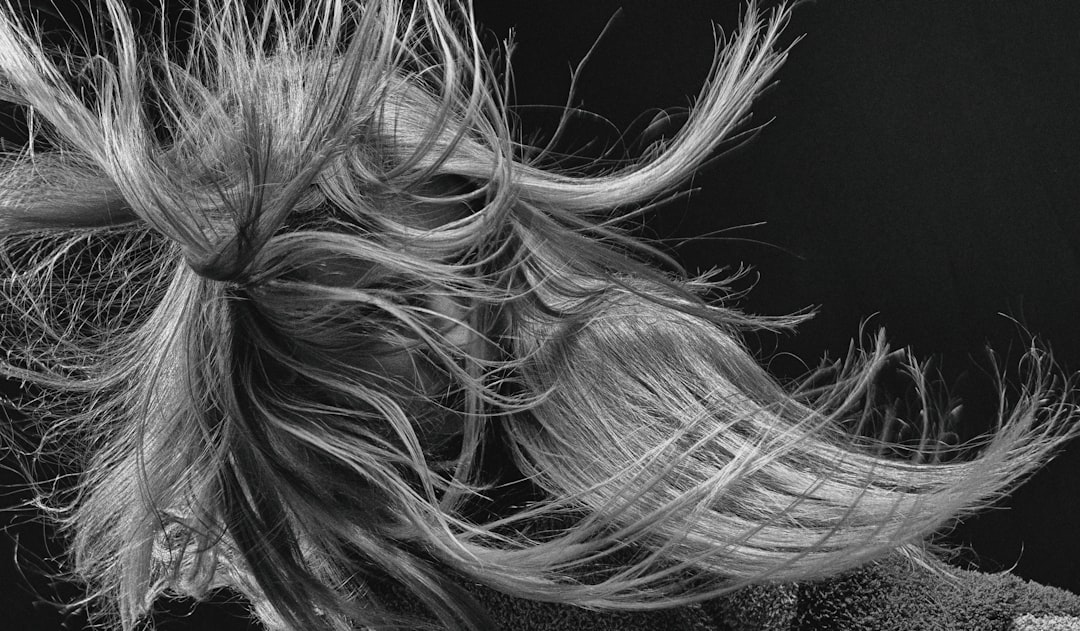
Static electricity in your hair occurs through a simple physical process. When you brush your hair, the brush bristles create friction against each strand. This friction causes electrons to transfer between your hair and the brush. If your hair is dry and lacking moisture, it becomes an excellent conductor, allowing electrons to build up and create an electrical charge. Your hair strands then repel each other, creating those stubborn flyaways.
According to Sarah Mitchell, a qualified trichologist with 15 years of salon experience, “Static is essentially your hair losing its moisture balance. Each strand needs a protective outer layer of moisture to sit flat against the others. When that layer breaks down, friction from brushing triggers an electrical charge that causes each strand to push away from its neighbours.”
The severity of static depends on several interconnected factors. The moisture content of your hair, the humidity levels in your environment, the type of brush you’re using, and the texture of your hair all play significant roles. Temperature changes, particularly the shift from warm summer air to cold winter heating systems, can amplify the problem dramatically.
Why Humidity and Moisture Matter So Much
Humidity levels directly impact how much water your hair can absorb from the air. When indoor humidity drops below 40% (which is common in heated homes during winter), your hair loses moisture to the environment. This dry state makes static exponentially worse. Conversely, humidity levels above 60% help your hair retain moisture and conduct electricity away harmlessly, preventing the buildup that causes those frustrating flyaways.
Your hair’s natural moisture content is equally crucial. Hair consists of water molecules trapped within its structure. When you shampoo, especially with hot water, you strip away natural oils and moisture. When you then style or brush this compromised hair, static becomes almost inevitable. Damaged hair—whether from heat styling, chemical treatments, or environmental exposure—has an even harder time retaining moisture and is therefore more prone to static electricity.
The Winter Problem
Winter creates a perfect storm for static hair. Outside temperatures drop, forcing people indoors where central heating runs constantly. This heating system pulls moisture from the air, creating extremely dry indoor environments. Simultaneously, cold outdoor air contains very little moisture. Moving between these two extremes causes dramatic moisture loss from your hair. Add in wool clothing, synthetic scarves, and frequent hat-wearing, and you’ve created an ideal environment for static buildup.
Brush Type and Material Impact
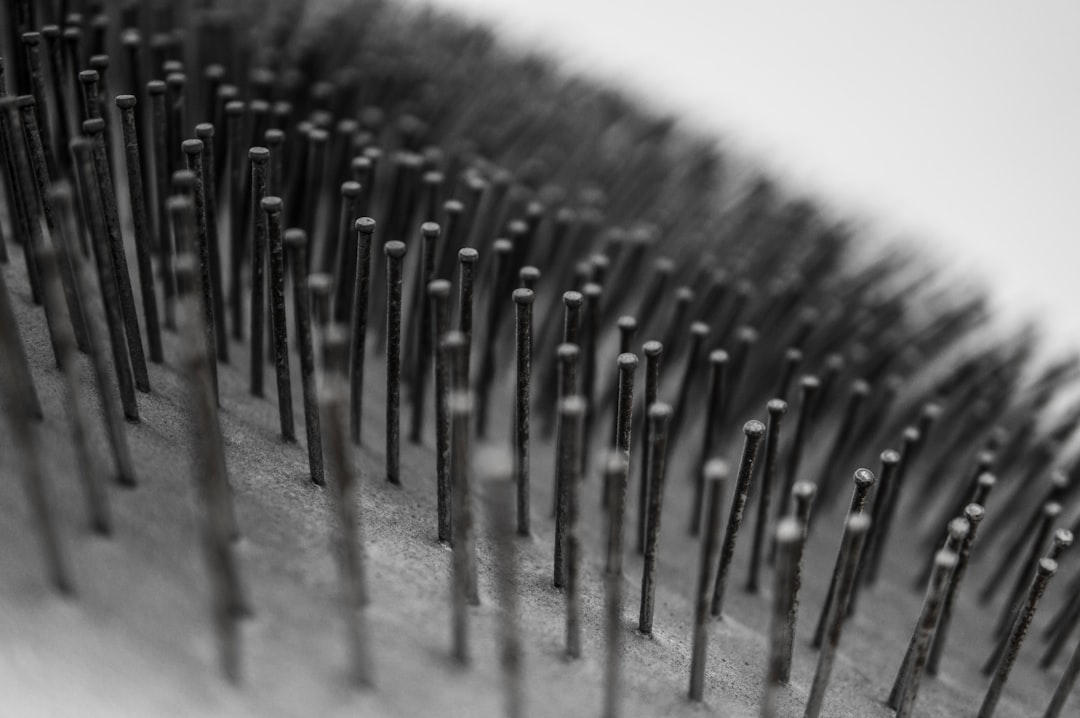
Not all brushes are created equal when it comes to static. Synthetic bristles—commonly found in plastic or nylon brushes—generate significantly more static electricity than natural alternatives. Natural bristle brushes made from boar hair are far superior because they distribute your hair’s natural oils along the hair shaft and create less friction overall.
Ceramic-coated brushes and ionic brushes are specifically designed to reduce static. These brushes release negative ions during brushing, which neutralise the positive charge building up on your hair. Ionic hair dryers work on the same principle. If you’re investing in new brushing tools, a ceramic or ionic option costs between £15-45 and can dramatically reduce your static problems.
The shape and size of your brush matter too. Paddle brushes with more surface area create more friction than round brushes or vented brushes. Vented brushes, which feature gaps in the bristle bed, reduce contact between brush and hair, thereby reducing static generation during styling.
Common Mistakes to Avoid
- Brushing wet hair aggressively: Wet hair is more fragile and prone to damage, which worsens static later. Use a wide-tooth comb on damp hair instead.
- Over-washing with harsh shampoos: This strips away protective natural oils. Wash 2-3 times weekly rather than daily.
- Using only hot water: Finish every wash with a cold water rinse to seal the hair cuticle and lock in moisture.
- Skipping deep conditioning: Monthly deep conditioning treatments are essential for restoring moisture to damaged strands.
- Brushing dry hair without preparation: Apply a light serum or anti-static spray before brushing to create a protective barrier.
Practical Solutions That Actually Work
Immediate Anti-Static Strategies
If you’re dealing with static right now, several quick fixes provide immediate relief. Anti-static hair sprays, costing £3-8, neutralise electrical charges in seconds. Apply to damp hair before brushing. Alternatively, run a dryer sheet over your brush before using it. This might sound unconventional, but the fabric softener coating reduces friction significantly. You can also lightly mist your hair with water using a spray bottle before brushing—this reintroduces moisture without soaking your hair.
Humidifiers are another game-changer. A room humidifier costs £20-60 and can maintain indoor humidity at optimal levels (45-55%), making a dramatic difference to static problems throughout the entire winter. Place one in your bedroom and bathroom where you spend the most time styling.
Long-Term Hair Care Adjustments
Building moisture back into your hair requires consistent effort. Invest in a moisture-rich shampoo and conditioner specifically formulated for your hair type. Look for products containing glycerin, argan oil, or coconut oil. These ingredients help your hair retain moisture and conduct electricity away from the surface. Quality moisturising products from brands like Frizz-Ease, Charles Worthington, or Umberto Giannini cost £4-12 per bottle and last 4-6 weeks with regular use.
Deep conditioning treatments applied weekly transform dry, static-prone hair. Use a thick conditioning mask for 15-20 minutes twice weekly during winter months. Leave-in conditioners applied to damp ends also help, providing ongoing moisture protection throughout the day.
Consider reducing heat styling during winter. Air-drying your hair whenever possible prevents additional moisture loss and damage. When you must use heat tools, always apply a heat protection spray first. These sprays cost £5-10 and create a protective barrier that preserves moisture and reduces static.
Environmental Modifications
Increasing humidity in your home is genuinely one of the most effective approaches. Beyond humidifiers, you can hang damp towels in rooms where you style your hair, dry clothes indoors, or keep a bowl of water near your heating system. These passive methods cost nothing and do help slightly, though a proper humidifier remains the most reliable solution.
Adjust your water temperature habits too. Washing hair in very hot water opens the hair cuticle and allows moisture to escape. Lukewarm water followed by a final cold rinse seals the cuticle and helps retain moisture. This costs nothing and takes only seconds longer than your current routine.
Frequently Asked Questions
Can I prevent static completely?
Complete prevention is difficult, particularly in naturally dry climates or during winter months. However, combining a humidifier, ionic brush, moisturising products, and anti-static sprays reduces static to virtually unnoticeable levels for most people. You’ll move from “hair standing on end” to “barely any flyaways.”
Why does my hair go static only when I brush it?
Brushing creates friction that generates the electrical charge. Without brushing, static doesn’t develop because there’s no friction creating the charge transfer. This is why static appears specifically during styling rather than throughout the day.
Are ionic hair tools worth the investment?
Yes, if you regularly struggle with static. An ionic brush costs £15-40 and delivers visible results immediately. Ionic hair dryers cost £25-80 and work exceptionally well, particularly for people with long or thick hair prone to static.
How often should I deep condition to reduce static?
For noticeable improvement, aim for once or twice weekly during autumn and winter when static is most problematic. You can reduce this to twice monthly during spring and summer when humidity naturally increases.
Does diet affect hair’s ability to hold moisture?
Indirectly, yes. Hair health depends on overall nutrition, particularly proteins, omega-3 fatty acids, and B vitamins. A balanced diet supports healthy hair growth and condition, which helps with moisture retention. However, external moisture management through humidifiers and conditioners has a more direct and immediate impact on static problems.
Moving Forward With Frizz-Free Hair
Static hair isn’t a permanent sentence—it’s a straightforward problem with multiple proven solutions. The specific approach that works best for you depends on your hair type, your climate, and your willingness to invest in tools and treatments. Start by identifying whether dry air in your environment or dry hair condition is your primary culprit. If your hair feels brittle and rough, prioritise deep conditioning and moisturising products. If your home feels particularly dry, a humidifier becomes your priority investment. Most people find success combining several approaches: upgrading to an ionic brush, increasing humidity slightly, using anti-static products before styling, and committing to consistent moisture-restoring hair care. Within two to three weeks of implementing these changes, you’ll notice significantly less static when you brush your hair, and you might finally achieve that smooth, polished look you’ve been chasing.