Contents:
- Understanding Why Hair Loses Its Shine
- The Foundation: Proper Washing Technique for How to Have Shiny Hair
- Water Temperature Matters
- Shampooing Less Frequently
- Shampoo Selection and Application
- Conditioning: The Non-Negotiable Step
- Traditional Rinse-Off Conditioner
- Deep Conditioning Treatments
- Leave-In Products and Serums
- Hair Serums and Oils
- Leave-In Conditioning Sprays
- Heat Styling: Protecting Shine While Styling
- Heat Protectant Sprays
- Blow-Drying Technique
- Temperature Settings
- Common Mistakes to Avoid
- Diet and Internal Health: The Often-Overlooked Factor
- Protein and Amino Acids
- Vitamins and Minerals
- Hydration
- Professional Treatments Worth Considering
- Keratin Treatments
- Professional Deep Conditioning
- Hair Glossing Treatments
- Seasonal Adjustments
- Frequently Asked Questions
- How long does it take to see shine improvements?
- Can you fix heat-damaged hair to make it shiny again?
- Is expensive shampoo better than budget shampoo for shine?
- Does natural or curly hair shine differently than straight hair?
- Can hard water damage hair shine?
- Moving Forward: Your Shine Strategy
Victorian ladies understood something we’ve largely forgotten: shiny hair signals health, vitality, and good grooming. In 18th-century England, achieving that coveted shine required hours of brushing and elaborate rinses made from herbs and oils. Today, we have science on our side—and the good news is that shiny hair is far more attainable and far less labour-intensive than it used to be.
The pursuit of shiny hair isn’t purely vanity. Hair lustre reflects light in ways that signal healthy cuticles, proper moisture balance, and structural integrity. When your hair catches light evenly, you look polished and well-maintained. More importantly, shiny hair usually means your strands are actually healthier from the inside out.
Understanding Why Hair Loses Its Shine
Before tackling solutions, understand what causes dullness. Hair shine depends entirely on the hair cuticle—the overlapping outer layer of each strand. When cuticles lie flat and aligned, light reflects uniformly, creating that desirable gleam. When they’re raised, roughed up, or damaged, light scatters randomly, and hair appears flat and lifeless.
The chief culprits behind cuticle damage are heat styling, chemical treatments, harsh washing, environmental damage (sun, chlorine, pollution), and dehydration. Your hair’s natural protective oil layer—sebum—also plays a crucial role. When you strip it away too aggressively or fail to maintain moisture, dullness follows immediately.
Regional factors matter too. In the UK’s generally humid climate, especially in the North and Midlands, moisture penetration into the hair shaft happens more readily than in drier regions like parts of the South East. However, that same humidity can cause frizz if cuticles aren’t properly sealed, paradoxically reducing shine. The West Coast of Scotland’s salty, humid air presents its own challenges—salt spray can deposit mineral residue that dulls the hair shaft.
The Foundation: Proper Washing Technique for How to Have Shiny Hair
Most people don’t realize their washing routine is sabotaging their shine. The standard approach—hot water, vigorous scrubbing, heavy shampooing—actively damages cuticles and strips protective oils.
Water Temperature Matters
Use lukewarm water, not hot. Hot water opens the cuticle layer and strips the natural oils more aggressively than tepid water. If you must use warm water for comfort, finish with a final 15-second cool rinse to seal cuticles. This isn’t theatre—the temperature shock actually closes the cuticle layer, which increases light reflection and shine. This technique costs nothing and takes seconds, yet it produces measurable results.
Shampooing Less Frequently
The industry pushed daily shampooing for decades. It’s nonsense. Shampooing every day or every other day strips sebum faster than your scalp can replace it. Your scalp responds by overproducing oil, creating a cycle of greasiness that requires constant washing. Instead, aim for washing 2-3 times weekly if you have curly or dry hair, 3-4 times if you have fine or straight hair. Use dry shampoo (around £3-5 per tin) on non-wash days to absorb excess oil and add texture.
Shampoo Selection and Application
Choose a sulphate-free shampoo. Traditional sulphates like sodium lauryl sulphate clean effectively but are too harsh and leave hair rougher. Mid-range options from brands like Boots’ own lines or Tresemmé (£1.50-3 per bottle) work perfectly well. Expensive doesn’t mean better; efficacy plateaus quickly. When washing, concentrate shampoo on the scalp and roots, not the lengths. Massage gently with your fingertips for 60 seconds—avoid scrubbing roughly with your nails, which damages cuticles.
Conditioning: The Non-Negotiable Step
This is where most shine-seeking efforts genuinely happen. Conditioning isn’t optional, even for fine hair. The misconception that conditioner makes thin hair greasy persists, but it’s false—proper conditioning is what prevents fine hair from looking dull and brittle.
Traditional Rinse-Off Conditioner
Apply conditioner exclusively to the mid-lengths and ends. Leave it on for at least two minutes—longer if you have curly or coarse hair (3-5 minutes). Rinse thoroughly with cool water. The cool water serves the same cuticle-sealing function as the final rinse during shampooing. A good conditioner costs £2-6 per bottle and lasts 4-6 weeks with regular use.
Deep Conditioning Treatments
Once weekly, use a deep conditioner or hair mask instead of your regular rinse-off conditioner. Leave it on for 15-20 minutes or overnight if using a leave-in version. Deep conditioning fills the hair cortex with moisture and proteins, making a visible difference in shine within 2-3 applications. Products range from £4 for supermarket options to £15-20 for salon brands. The budget options genuinely work—brands like Boots Essentials or Superdrug B. range deliver measurable shine improvement.
Leave-In Products and Serums
Leave-in conditioners and hair serums are the second pillar of shine. These create a protective layer over the cuticle that both seals moisture inside and reflects light more effectively.
Hair Serums and Oils
A lightweight hair serum (£4-12) applied to damp hair before blow-drying creates an immediate shine boost. Serums typically contain silicones and oils that coat the cuticle. Apply a coin-sized amount to your palms, rub together, and run through the mid-lengths and ends—never the scalp, or your hair will look greasy. Alternatively, pure argan oil (£6-15 for a 100ml bottle) or coconut oil work, though coconut oil requires careful dosing; use far less than you think you need.
Leave-In Conditioning Sprays
These are genuinely useful for between-wash days. They re-hydrate the hair and often contain UV filters to protect against sun damage. Apply lightly to dry hair, focusing on the ends. This costs £3-8 per bottle and extends the life of your styling between washes.
Heat Styling: Protecting Shine While Styling
Heat damage is cumulative and permanent. You cannot repair heat-damaged hair, only manage it by cutting away the worst sections. Prevention is the only strategy that works.
Heat Protectant Sprays
Before any heat styling—blow-drying, straightening, or curling—apply a heat protectant spray. These create a barrier between your hair and the heat source, reducing damage by 30-40% according to independent testing. Products cost £3-8. Spray onto damp hair before blow-drying, or onto dry hair before using straighteners or curlers.
Blow-Drying Technique
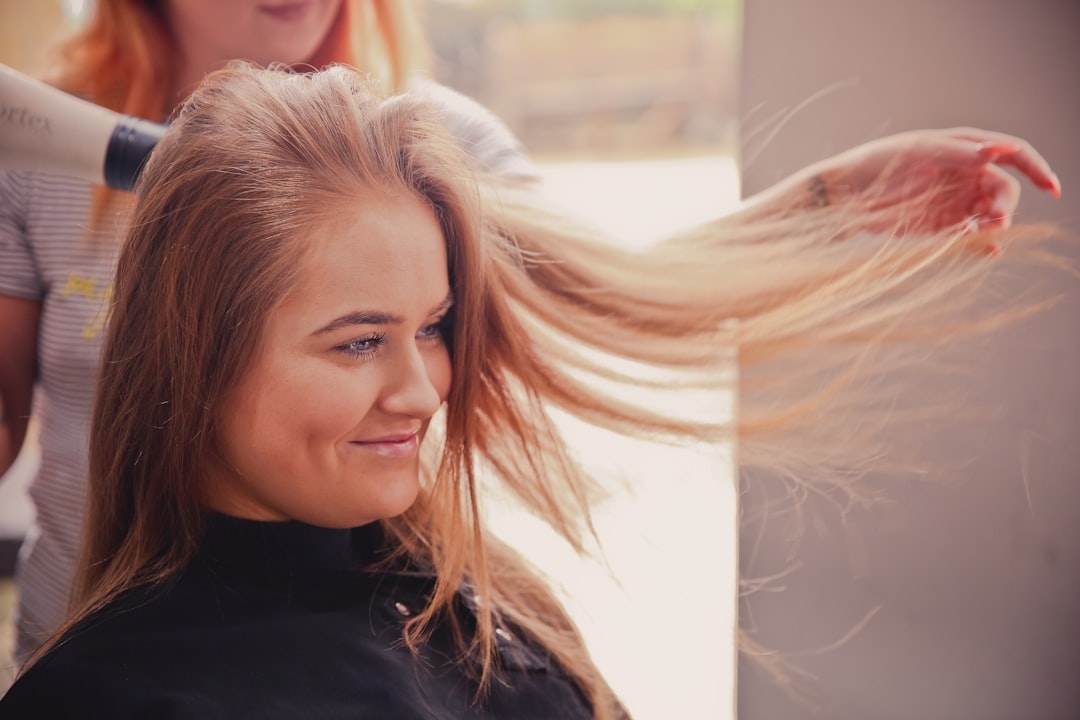
Blow-dry with the cuticle grain, moving the dryer downward along the hair shaft. This aligns cuticles flat, which automatically increases shine. If you dry upward or against the grain, cuticles raise and shine decreases. Use a concentrator nozzle (usually included with decent hairdryers) to direct air flow. Finish with a blast of cool air to seal cuticles—this technique genuinely produces a visible difference, and it’s free.
Temperature Settings
Use medium heat rather than high heat. High heat dries hair faster but damages the cuticle layer more severely. Medium heat takes 2-3 minutes longer but produces healthier results. Invest in a decent hairdryer (£30-60) with temperature control; budget models without heat settings tend to run hotter and aren’t worth the money.
Common Mistakes to Avoid
Several widespread practices destroy shine despite well-meaning intentions. First, avoid towel-rubbing your wet hair. Rough towelling raises cuticles, causes breakage, and leads to frizz. Instead, gently squeeze excess water and wrap hair in a microfibre towel (£4-8) or old t-shirt for 10 minutes. Microfibre is crucial—regular towels create friction that damages cuticles.
Second, don’t use the same shampoo and conditioner indefinitely. Hair adapts to products, and you’ll notice diminishing shine after 8-12 weeks. Rotate between two products or switch every few months. This costs nothing extra if you’re strategic about purchases.
Third, avoid chlorine and salt water without protection. If you swim regularly, wet your hair with fresh water and apply leave-in conditioner before entering the pool. This reduces chlorine absorption by 50%. Rinse immediately afterward. The cost is negligible but the shine preservation is significant.
Finally, don’t over-condition fine or thin hair, and don’t under-condition coarse or curly hair. Over-conditioning fine hair does make it appear limp and greasy. Under-conditioning thick hair leaves it rough and dull. Assess your hair type correctly and adjust conditioning frequency accordingly.
Diet and Internal Health: The Often-Overlooked Factor
Shiny hair reflects internal health as much as external care. Hair grown from malnourished follicles simply won’t shine no matter what products you use.
Protein and Amino Acids
Hair is 95% protein (keratin). Insufficient dietary protein results in weak, dull hair that breaks easily. Aim for 50-60 grams of protein daily from sources like eggs, chicken, fish, lentils, or Greek yoghurt. This isn’t about supplements—whole foods provide the amino acid profile hair needs.
Vitamins and Minerals
Iron deficiency causes hair shedding and dullness. Biotin supports keratin production. B vitamins support the metabolic processes that build healthy hair. You don’t need expensive supplements. A varied diet including leafy greens, eggs, fish, nuts, and whole grains covers these bases. If you suspect deficiency, get blood work done (your GP can arrange this free on the NHS) rather than guessing at supplement dosages.
Hydration
Dehydrated bodies produce dehydrated hair. Drink 6-8 glasses of water daily. This is the cheapest intervention available and affects hair quality noticeably within 2-3 weeks.
Professional Treatments Worth Considering
Some professional treatments genuinely deliver shine improvements that justify their cost, whilst others are marketing theater.
Keratin Treatments
Professional keratin treatments (£80-150 in salons) coat the hair shaft with a protective layer that increases shine and reduces frizz for 6-12 weeks. Results are noticeable immediately. However, cheaper at-home versions (£15-30) offer similar effects with less longevity. For occasional shine boosts without salon expense, home keratin treatments work reasonably well.
Professional Deep Conditioning
Salon deep conditioning treatments (£20-40) use heat and professional-grade products that do deliver better results than home versions, primarily because of the heat application and product quality. If you’ve neglected your hair or need an immediate shine boost for a special event, this is worthwhile. Otherwise, weekly home treatments are sufficient.
Hair Glossing Treatments
These semi-permanent colour treatments (£25-50) add shine and vibrancy, particularly if your hair is dull or has lost its colour depth. They fade over 4-6 weeks and are relatively gentle. Consider these more for colour refreshment than pure shine, though the effect does include shine improvement.
Seasonal Adjustments
Your hair’s shine needs change with the seasons and regional conditions. Spring and summer increase UV exposure and humidity, both of which can increase frizz and reduce perceived shine. Use UV-protective sprays (£4-8) and lighter leave-in conditioners that won’t weigh hair down. Autumn and winter introduce dry heating indoors and lower humidity, which dries hair. Increase conditioning frequency and use heavier oils or serums during these months.
Frequently Asked Questions
How long does it take to see shine improvements?
With consistent washing technique improvements and conditioning, you’ll see noticeable differences within 2-3 weeks. Deep improvements take 8-12 weeks because you’re growing new hair and repairing existing damage simultaneously. Hair at the scalp is newest; hair at the tips is potentially 2-3 years old. Patience is required.
Can you fix heat-damaged hair to make it shiny again?
No. Heat damage is permanent at the cellular level. You can manage heat-damaged hair with heavy conditioning, protective products, and careful styling, but true repair requires cutting away the damaged section. Prevention is the only strategy that works long-term.
Is expensive shampoo better than budget shampoo for shine?
Not necessarily. The key variables are sulphate-free formulations, conditioning quality, and your washing technique. A £3 sulphate-free shampoo with proper technique beats a £20 shampoo applied carelessly. Spend on deep conditioning treatments and leave-in products instead; these have more impact on shine than shampoo choice.
Does natural or curly hair shine differently than straight hair?
Yes. Curly and coily hair has more surface area and reflection points, so it naturally appears less shiny than straight hair even when equally healthy. However, well-conditioned curly hair does shine—you’ll see it catch light at the curl edges. Coily hair requires heavier conditioning and leave-in products to achieve visible shine compared to straight hair types.
Can hard water damage hair shine?
Hard water deposits mineral residue on hair that dulls shine and causes buildup. If you have hard water, install a shower filter (£20-40 one-time investment) or use chelating shampoo monthly. These two measures noticeably improve shine within weeks.
Moving Forward: Your Shine Strategy
Shiny hair isn’t genetic luck or secret knowledge. It’s the result of consistent, specific techniques applied regularly. Start by adjusting your washing temperature and conditioning frequency. Add a weekly deep conditioning treatment. Invest in a basic hair serum (£5-8) and apply it to damp hair before styling. These three changes cost under £20 and take 5 minutes extra weekly. You’ll see measurable shine improvement within three weeks.
Once this foundation is solid, add other elements—heat protectant sprays, better towels, improved diet. Shine builds gradually with compounding small habits rather than dramatic overhauls. The most expensive products won’t deliver results if your washing technique remains poor. Conversely, perfect technique with budget products delivers excellent shine. Focus on habits first, products second.
Track what works specifically for your hair. Your regional climate, water quality, hair texture, and daily environment all matter. What delivers shine for someone in London might differ from what works in Glasgow. Adjust your approach based on your actual results rather than generic advice. Within 12 weeks of consistent effort, shiny hair becomes normal, not a struggle.