Contents:
- Why Dog Hair Becomes Such a Problem in Vehicles
- The Six Most Effective Methods for How to Remove Dog Hair from Car
- The Rubber Broom or Squeegee Technique
- The Damp Rubber Glove Method
- Vacuum with Pet-Specific Attachments
- The Lint Roller Strategy for Smaller Areas
- Professional Valeting with Steam Cleaning
- Adhesive Rollers and Specialised Pet Hair Tools
- Prevention: The Real Money Saver
- Invest in Quality Seat Covers
- Regular Brushing Before Car Journeys
- Designate a Pet Zone
- Cost Breakdown: Your Annual Investment
- Expert Insights on Managing Dog Hair in Vehicles
- Frequently Asked Questions About Removing Dog Hair from Cars
- How often should I clean dog hair from my car?
- Does a lint roller work as well as a vacuum for removing dog hair from cars?
- What’s the most cost-effective way to remove dog hair from your car?
- Can I use a handheld vacuum for dog hair removal?
- How do I prevent dog hair from sticking to car upholstery?
- Moving Forward: Your Action Plan
You’re backing out of the driveway after a morning trip to the park, and suddenly you’re enveloped in a cloud of dog hair rising from the rear seat. By afternoon, there’s a thick layer of fur covering the back doors, wedged into every crevice, and somehow—inexplicably—all over your steering wheel. For anyone who regularly transports a canine companion, this scenario is painfully familiar.
Quick Answer
The fastest way to remove dog hair from your car is using a rubber broom or squeegee on upholstered surfaces, followed by a vacuum with pet-specific attachments. For stubborn embedded hair, try the damp rubber glove method or a lint roller on smaller areas. Prevention—seat covers and regular brushing—saves the most time long-term.
Why Dog Hair Becomes Such a Problem in Vehicles
Dog hair clings to car interiors for several practical reasons. Vehicle fabrics—especially cloth seats and carpets—create the ideal texture for hair to catch and grip. Each time your dog moves, shifts position, or even breathes, loose hairs release from their coat and settle into textile fibres. Once embedded, they’re remarkably difficult to dislodge through normal cleaning methods.
The problem intensifies during shedding seasons. A Golden Retriever, Labrador, or German Shepherd can lose millions of individual hairs during peak shedding periods in spring and autumn. One study tracking pet vehicle cleanliness found that dogs shedding heavily can leave enough loose hair to fill a standard vacuum bag in just three to four trips to the park.
Additionally, the enclosed environment of a car concentrates the problem. Unlike furniture in a house, where air circulation and gravity help distribute loose hair, a vehicle’s interior becomes a contained space where every hair stays put. Static electricity—particularly strong in winter months—actually attracts loose dog hair to fabric even more strongly.
The Six Most Effective Methods for How to Remove Dog Hair from Car
1. The Rubber Broom or Squeegee Technique
One of the most underrated tools for removing dog hair from your car is the humble rubber broom. This method works through a simple principle: rubber creates friction that lifts hair from fabric more effectively than bristles or vacuums alone.
How to use it: Start with dry seats and work methodically across the fabric surface using short, firm strokes. Move the rubber broom in one direction initially, then switch perpendicular to catch hairs from different angles. You’ll notice hair rolling up into small clumps, which you can then gather by hand or with a dustpan. For upholstered seats, work section by section, spending 2-3 minutes per seat. This method typically takes 15-20 minutes for a full car interior but delivers remarkable results.
The rubber broom costs between £8-18 depending on quality, and a single tool lasts for years. Popular brands like Sweepur or simple car-specific rubber tools are widely available at Halfords or on Amazon UK.
2. The Damp Rubber Glove Method
Slightly wetting a rubber glove intensifies the friction factor and works brilliantly for embedded hair. This method is particularly effective on stubborn, deeply embedded dog hair that’s resisted other techniques.
How to use it: Put on a pair of household rubber gloves and dampen them slightly under a tap—not dripping wet, just lightly moistened. Run your gloved hands across seat fabric using downward strokes, as though petting your dog. The damp rubber creates suction that literally pulls hairs free from the weave. After a few strokes, you’ll see a collection of hair sticking to your glove. Rinse the glove under water periodically to clear away accumulated hair, then continue working across each section.
This method works exceptionally well combined with the rubber broom approach. Use the broom first for bulk hair removal, then follow up with the damp glove for a second pass on stubborn areas. Total time for a full car: 25-30 minutes. Cost: roughly £1-3 for reusable gloves you likely already own.
3. Vacuum with Pet-Specific Attachments
A standard household vacuum helps, but pet-specific vacuums or attachments deliver superior results. Pet vacuums feature stronger suction, specialised upholstery heads designed to penetrate fabric, and often include motorised brush rolls that agitate hair loose before extracting it.
How to use it: Begin with a dry interior. Attach the upholstery head (or pet hair attachment) and work methodically across seats, carpeted areas, and floor mats. Make overlapping passes, spending extra time on driver and passenger seats where hair accumulates most heavily. For carpet areas, use back-and-forth motions to encourage the brush roll to agitate embedded hair. Don’t rush—thorough vacuuming typically takes 20-35 minutes depending on hair volume.
Investment in a dedicated pet vacuum ranges from £150-400 for quality models like the Bissell Pet Hair Eraser or Dyson V15 Detect. These machines work equally well on home furniture, making them a practical buy for multi-pet households. For occasional use, hiring a professional valet with pet-specific equipment costs £30-60 and often provides superior results.
4. The Lint Roller Strategy for Smaller Areas
Standard lint rollers excel at capturing surface-level hair on headrests, steering wheel covers, and sun visors. This method works best for touch-ups rather than comprehensive cleaning.
How to use it: Start with one lint roller and work across smaller surfaces first—headrests, seatbelts, the steering wheel area. You’ll deplete a standard roller within 5-10 minutes if hair is heavy. Keep several rollers on hand (buy multipacks for roughly £5-8) or switch to a reusable lint roller with a washable surface that lasts indefinitely (£12-25). For larger upholstered areas, this method becomes laborious and is best reserved for maintenance between deeper cleans.
5. Professional Valeting with Steam Cleaning
For severely matted or stubborn dog hair, professional valeting provides the most thorough solution. Professionals employ industrial-strength vacuums, steam cleaning equipment, and specialised products designed to break down the static bond between hair and fabric.
What to expect: A pet-specific valet service typically costs £50-100 for an interior deep clean, depending on your region and the extent of hair accumulation. The process involves pre-vacuuming, steam treatment of upholstery, extraction of loosened hair, and a final detail pass. Most professionals complete the work within 1-2 hours and leave your interior noticeably fresher with significantly reduced hair.
Many people with heavy-shedding dogs schedule professional valeting quarterly (roughly £200-400 annually) as a preventative measure rather than waiting until hair becomes unmanageable.
6. Adhesive Rollers and Specialised Pet Hair Tools
Several companies have engineered products specifically for removing pet hair from vehicles. These range from motorised pet hair rollers (£40-80) to innovative tools designed to agitate and extract hair in a single motion.
The ChomChom Roller, for example, uses a unique ratcheting mechanism to lift hair without adhesive, making it reusable and cost-effective long-term (£35-45). Other options include sticky-backed rollers designed for car interiors, though these generate waste and carry higher ongoing costs (£15-25 per month for regular users).
Prevention: The Real Money Saver
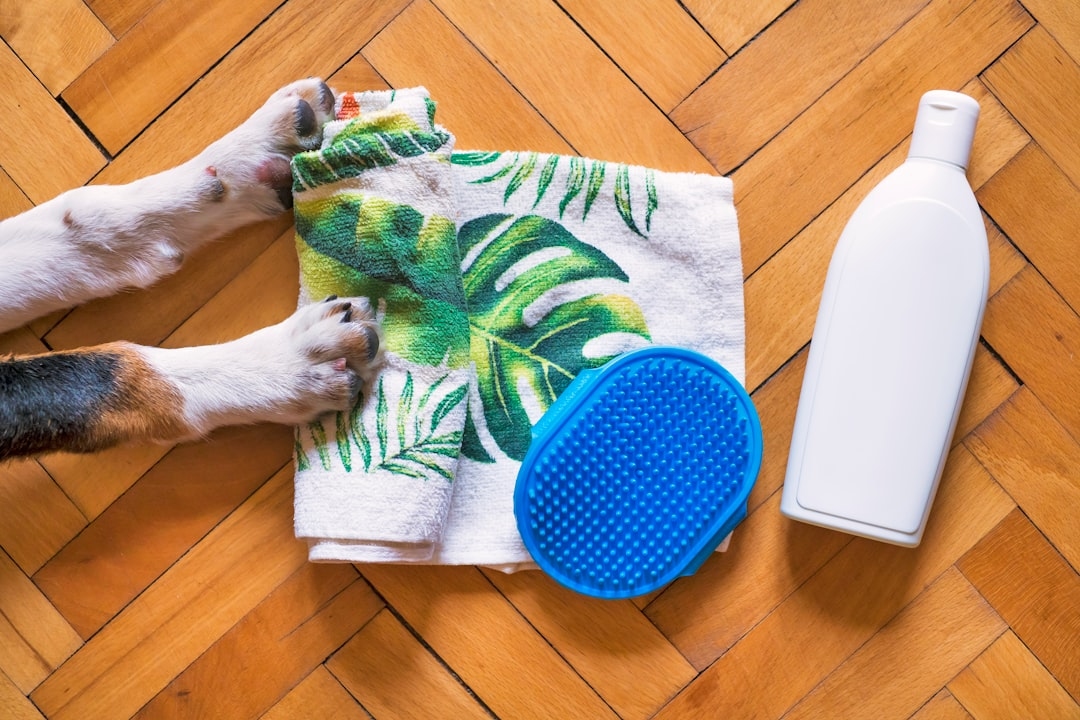
Understanding how to remove dog hair from your car is valuable, but preventing excessive accumulation saves time, money, and frustration. Strategic prevention means spending minutes on maintenance rather than hours on deep cleaning.
Invest in Quality Seat Covers
A fitted, washable seat cover creates a barrier between your dog’s fur and your car’s original upholstery. Quality covers cost £40-120 depending on material and fit precision. Machine-washable covers transform dog hair management—you simply remove the cover, shake it out or wash it, and your interior remains protected. This single investment often eliminates the need for professional valeting entirely.
Look for water-resistant, durable fabrics like polyester or neoprene rather than thin cotton blends that allow hair penetration.
Regular Brushing Before Car Journeys
Brushing your dog thoroughly 15-30 minutes before travelling significantly reduces shedding inside the vehicle. A FURminator or slicker brush removes loose hair before it ends up on your seats. During heavy shedding seasons, daily pre-journey brushing (5-10 minutes) dramatically minimises interior accumulation.
Designate a Pet Zone
Confining your dog to rear seats or a specific boot area prevents hair distribution throughout the entire interior. Combining this practice with a removable seat cover creates a manageable, contained solution.
Cost Breakdown: Your Annual Investment
| Prevention/Cleaning Method | Annual Cost (GBP) | Time Per Clean |
|---|---|---|
| Rubber broom + damp glove | £12-15 | 25-30 mins |
| Pet seat covers | £80-120 (one-time) | 5 mins (washing) |
| Professional valeting (quarterly) | £200-400 | 0 mins (outsourced) |
| Pet-specific vacuum (amortised) | £30-50 | 20-35 mins |
Expert Insights on Managing Dog Hair in Vehicles
David Sutherland, a specialist automotive detailer and pet vehicle specialist based in Manchester, notes that most people underestimate the importance of pre-treatment: “Before you grab any tool, dry hair is exponentially easier to remove than damp hair. Moisture causes fibres to swell and grip hair more firmly. Start your cleaning session when upholstery is completely dry, and you’ll see immediate improvement in results.”
He also recommends a multi-phase approach rather than relying on a single method: “I always begin with the rubber broom for initial bulk removal, follow up with a pet-specific vacuum, and finish with damp rubber gloves for any stragglers. This combination removes 95% of embedded hair, whereas any single method alone typically manages only 60-75%.”
Frequently Asked Questions About Removing Dog Hair from Cars
How often should I clean dog hair from my car?
For light-shedding dogs, monthly cleaning is typically sufficient. Heavy shedders require fortnightly attention during peak shedding seasons (March-May and September-November) and monthly cleaning during off-season months. Establishing a schedule prevents hair from becoming deeply embedded and dramatically reduces cleaning time overall.
Does a lint roller work as well as a vacuum for removing dog hair from cars?
Lint rollers are excellent for small areas and touch-ups but impractical for comprehensive cleaning. A single lint roller depletes quickly on heavily shedded interiors, making the method costly and time-consuming for full-car cleaning. Combine lint rollers with vacuuming or rubber brooms for best results.
What’s the most cost-effective way to remove dog hair from your car?
The rubber broom and damp glove combination delivers the best value, costing £12-18 as a one-time investment and requiring only your time. If you prefer outsourcing, professional valeting quarterly costs £200-400 annually. For most households, seat covers (£80-120) paired with DIY tools offer the optimal balance of cost and convenience.
Can I use a handheld vacuum for dog hair removal?
Handheld vacuums work but underperform compared to upright or shop-vac style machines. They lack the suction power and brush roll agitation of larger units, requiring multiple passes and significantly more time. If investing in a vacuum specifically for pet hair, choose an upright or cordless model rated for pet hair rather than a basic handheld.
How do I prevent dog hair from sticking to car upholstery?
Prevent accumulation through three strategies: brush your dog thoroughly before journeys, use fitted seat covers, and designate a contained pet zone within the vehicle. Regular maintenance cleaning (monthly or fortnightly depending on shedding) prevents hair from becoming deeply embedded and impossible to remove. These preventative measures combined reduce cleaning frequency by 50-75%.
Moving Forward: Your Action Plan
Managing dog hair in your car requires a combination of the right tools, strategic prevention, and consistent maintenance. Start by identifying which method aligns with your schedule and budget—whether that’s investing in a pet-specific seat cover for ongoing prevention, purchasing a rubber broom for quick cleanings, or scheduling quarterly professional valeting for deep results.
If your dog currently travels with you regularly, implement preventative measures immediately. Brush your dog before trips, consider a seat cover if you haven’t already, and establish a cleaning schedule that fits your lifestyle. Most dog owners find that 15-30 minutes of preventative maintenance monthly eliminates the need for hours of intensive cleaning later.
The most successful pet owners treat dog hair management as an ongoing part of vehicle ownership rather than a problem to solve after the fact. Combined with the right tools and techniques, keeping your car fresh and fur-free becomes manageable rather than overwhelming.