Contents:
- Understanding Hair Transplant Surgery: The Medical Foundation
- Islamic Jurisprudence on Body Modification and Medical Treatment
- The Distinction Between Haram Modifications and Permissible Treatment
- Hair Transplant and Islamic Legal Schools
- Comparison with Commonly Confused Cosmetic Procedures
- Seasonal Considerations for Hair Transplant Timing
- Recovery Timeline Considerations
- Addressing Specific Religious Concerns
- The Question of Self-Modification
- Hair Donation Concerns
- Practical Guidance for Decision-Making
- Frequently Asked Questions
- Is using donor hair from another person haram?
- Does hair transplant count as unnecessary beautification prohibited in Islam?
- Are there any Islamic conditions that must be met before the procedure?
- What if I’m unsure about my specific situation?
- Does the hair transplant need to be performed in a Muslim-majority country to be permissible?
- Moving Forward with Confidence
Around 85% of Muslim patients considering hair restoration delay their decision due to religious uncertainty. The question of whether hair transplant surgery aligns with Islamic principles affects millions worldwide, yet many struggle to find authoritative guidance that bridges modern medical practice with traditional Islamic law.
Understanding Hair Transplant Surgery: The Medical Foundation
Hair transplant surgery involves relocating hair follicles from areas of dense growth—typically the back and sides of the scalp—to thinning or bald regions. The procedure uses two primary techniques: Follicular Unit Extraction (FUE) and Follicular Unit Transplantation (FUT). FUE removes individual follicles using microsurgery, while FUT extracts a strip of scalp tissue containing multiple follicles.
The surgery typically takes 4 to 8 hours and costs between £3,000 and £15,000 in the UK, depending on the extent of hair loss and technique selected. Recovery spans 2 to 3 weeks, with visible results appearing after 6 to 9 months as transplanted hairs enter their growth cycle.
Islamic Jurisprudence on Body Modification and Medical Treatment
Islamic law recognises a fundamental distinction between two categories of modification: those that alter the natural creation intentionally for vanity, and those performed for therapeutic necessity or medical restoration. The Qur’an emphasises this principle in Surah An-Nisa (4:119), which addresses unlawful alteration of creation. However, scholars consistently interpret this prohibition as applying to intentional deformation or permanent disfigurement pursued purely for aesthetic vanity.
Medical interventions—including surgery, medication, and corrective procedures—occupy a different legal category. The Prophet Muhammad (peace be upon him) explicitly permitted medical treatment, famously stating that Allah has not created a disease without creating a cure. This hadith forms the foundation for Islamic acceptance of modern medicine.
The Distinction Between Haram Modifications and Permissible Treatment
Islamic jurisprudence distinguishes between modifications done out of vanity (like permanent tattooing or deliberate disfigurement) and those addressing legitimate medical or psychological conditions. Hair loss, whether from androgenetic alopecia, trauma, or medical treatment side effects, constitutes a genuine condition affecting quality of life and psychological wellbeing.
Hair Transplant and Islamic Legal Schools
All four major Islamic legal schools—Hanafi, Maliki, Shafi’i, and Hanbali—permit hair transplantation. Their consensus rests on several foundational principles:
- Medical necessity: Hair loss causes genuine distress and affects self-confidence and social functioning.
- Use of natural materials: The procedure uses the patient’s own hair follicles, not artificial substances or donor hair from prohibited sources.
- Restoration versus creation: Hair transplant restores a lost function rather than creating an unnatural enhancement.
- Professional competence: The procedure is performed by qualified surgeons following established medical protocols.
The Organisation of Islamic Cooperation’s Islamic Fiqh Academy issued a formal resolution in 2003 confirming the permissibility of hair transplantation when performed for therapeutic purposes.
Comparison with Commonly Confused Cosmetic Procedures
Hair transplant differs significantly from other cosmetic modifications that scholars universally declare haram. Permanent hair removal (like waxing or threading used continuously for years) alters the natural creation and lacks therapeutic justification. Similarly, cosmetic tattoos permanently modify the skin. Hair implants using synthetic fibres also differ from transplant surgery because they introduce foreign materials rather than using the patient’s own biological tissue.
Hair transplantation, by contrast, works with the body’s natural biology, moving existing follicles that already possess the genetic predisposition to grow hair. This fundamental difference makes the comparison with prohibited modifications legally and ethically distinct.
Seasonal Considerations for Hair Transplant Timing
Practical planning matters when scheduling surgery. Winter months (November through February) offer advantages: cooler temperatures reduce sweating during the critical healing phase, reducing infection risk. Spring (March through May) provides time for initial healing before summer activities, though high pollen counts may increase scalp irritation. Summer months present challenges due to heat and sun exposure, which can damage healing follicles. Autumn (September through October) offers moderate temperatures ideal for recovery, making it the preferred surgical season across UK clinics.
Recovery Timeline Considerations
Post-operative care requires protecting the transplanted area from direct sunlight, swimming, and strenuous exercise for the first 3 months. Timing your procedure allows coordination with work schedules and social commitments. Most patients plan surgery during periods allowing 2 weeks of minimal public interaction during the initial healing phase.
Addressing Specific Religious Concerns
The Question of Self-Modification
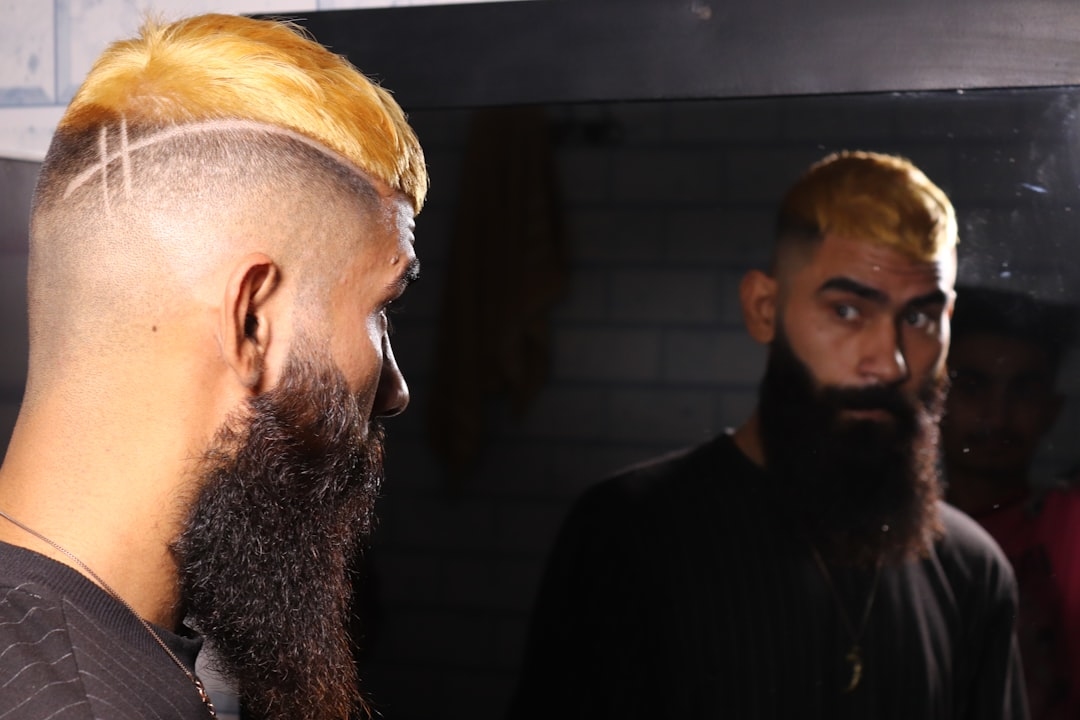
Some individuals express concern that seeking hair restoration reflects vanity or dissatisfaction with Allah’s will. Islamic scholars address this through the lens of stewardship (khalifah). Islam teaches that humans are trustees of their bodies and permitted—indeed encouraged—to maintain and improve their health and appearance within ethical bounds. Using medical science to restore lost function represents responsible stewardship, not rejection of divine will.
Hair Donation Concerns
When the donor hair comes from the patient’s own scalp, no ethical concerns arise. Some procedures use donor hair from willing living donors or deceased donors. Islamic jurisprudence permits this when proper consent exists, though using one’s own hair eliminates any potential complications related to donor sourcing.
Practical Guidance for Decision-Making
- Consult a qualified Islamic scholar familiar with contemporary medical practice to discuss your specific circumstances.
- Seek evaluation from a board-certified dermatologist or hair restoration surgeon to confirm hair loss diagnosis and assess treatment suitability.
- Review your specific hair loss cause—medically necessary restoration carries clearer Islamic approval than purely cosmetic enhancement.
- Consider non-surgical alternatives first (minoxidil, finasteride) as less invasive options, though these carry different efficacy profiles.
- If proceeding with surgery, use clinics meeting international safety standards and requiring informed consent documentation.
Frequently Asked Questions
Is using donor hair from another person haram?
No, provided the donor gives explicit informed consent. Islamic law permits organ and tissue donation when freely given. Using hair from a willing donor carries the same permissibility as accepting a blood transfusion or organ transplant.
Does hair transplant count as unnecessary beautification prohibited in Islam?
Hair transplant addresses a medical condition, not mere beautification. Islamic scholars distinguish between therapeutic restoration and cosmetic vanity. Since hair loss causes genuine distress affecting social and psychological wellbeing, restoration qualifies as medically necessary.
Are there any Islamic conditions that must be met before the procedure?
Ensure the procedure is performed by qualified medical professionals following established safety protocols. Verify that your specific circumstances (medical diagnosis, expected outcomes, surgical necessity) genuinely constitute a therapeutic need rather than purely cosmetic desire.
What if I’m unsure about my specific situation?
Consult a knowledgeable Islamic scholar who understands modern medicine. Provide them with your medical diagnosis and treatment rationale. Personal circumstances vary, and a scholar can apply Islamic principles to your particular situation.
Does the hair transplant need to be performed in a Muslim-majority country to be permissible?
No. Permissibility depends on medical appropriateness and adherence to Islamic ethical principles, not geographic location. A procedure performed by qualified surgeons meeting international safety standards remains permissible regardless of country.
Moving Forward with Confidence
The Islamic consensus strongly supports hair transplant surgery as permissible when addressing genuine hair loss. Major Islamic legal authorities, contemporary scholars, and official religious organisations recognise that restoring lost hair represents responsible medical care aligned with Islamic principles of health stewardship.
If you’re experiencing hair loss and considering transplantation, the religious question need not delay your decision. Consult both medical professionals and Islamic scholars to confirm your specific circumstances meet the criteria for therapeutic intervention. Modern hair transplant technology, performed by qualified surgeons, offers effective restoration that aligns with Islamic teachings about health and human dignity.