Contents:
- Why Your Hair Loses Its Shine
- The Cumulative Effect of Daily Habits
- Deep Conditioning: The Foundation of Shiny Hair
- Choosing the Right Deep Conditioner
- Common Mistakes to Avoid
- Temperature Matters: The Cool Water Rinse Secret
- How to Get Shiny Hair with Minimal Heat Damage
- Air-Drying and Heat-Free Styling
- Heat Tool Best Practices
- Natural Remedies and Sustainable Shine Solutions
- Coconut Oil Treatments
- Avocado and Honey Mask
- Apple Cider Vinegar Rinse
- The Role of Scalp Health in Hair Shine
- Scalp Care Fundamentals
- Nutrition and Internal Shine: What You Eat Shows in Your Hair
- Key Nutrients for Glossy Hair
- Practical Daily Habits That Protect Shine
- Sleep Position and Pillowcase Choice
- Hair Accessories and Tension
- Reducing Product Buildup
- Professional Treatments Worth Considering
- Keratin Treatments
- Professional Deep Conditioning
- FAQ: Your Shiny Hair Questions Answered
- How long does it take to get shiny hair?
- Can you get shiny hair naturally, or do you need products?
- Does hair type affect how to get shiny hair?
- Is shiny hair always healthy hair?
- What’s the quickest way to get shiny hair for a special event?
- Moving Forward: Your Shiny Hair Action Plan
Did you know that 73% of people say shiny, healthy hair boosts their confidence more than clear skin? Yet most of us battle dullness, frizz, and lifeless strands every single day. The frustration is real—you see those glossy advertisements and think it’s all genetics or expensive treatments. But the truth is far simpler: shiny hair is an achievable goal for nearly everyone, regardless of your starting point.
Why Your Hair Loses Its Shine
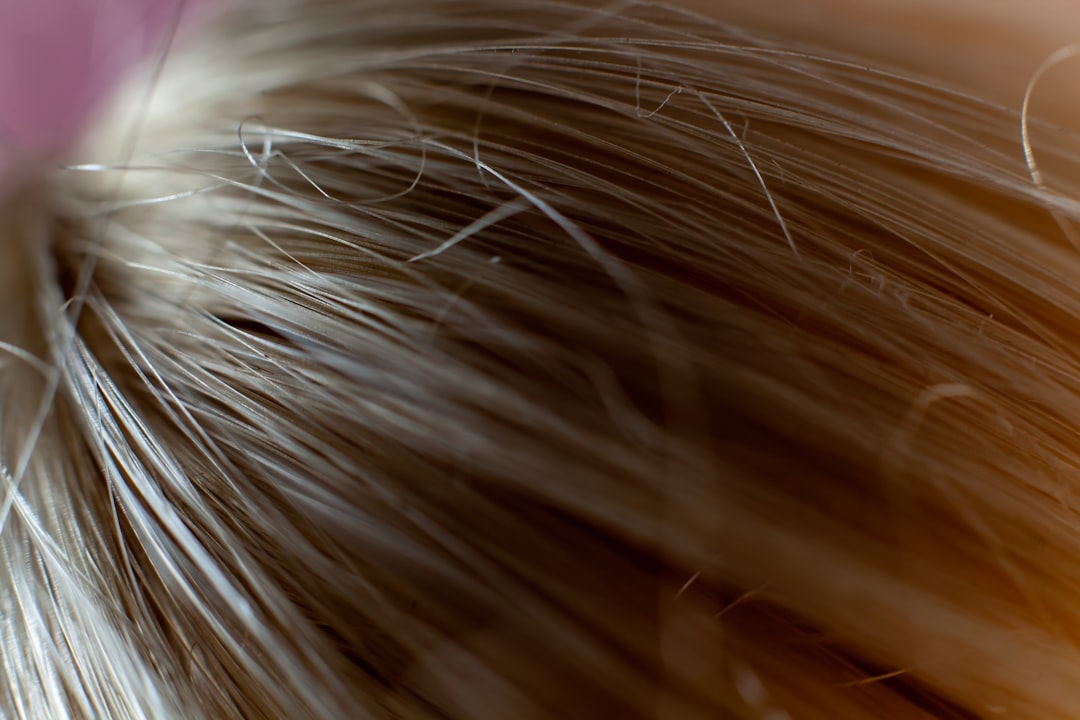
Before diving into solutions, it helps to understand what makes hair dull in the first place. Hair shine comes from light reflecting smoothly off the hair cuticle—the outermost layer of each strand. When your cuticle lies flat and sealed, light bounces evenly, creating that coveted glossy appearance. But when the cuticle is raised, rough, or damaged, light scatters in different directions, and your hair looks flat and lifeless.
Several factors chip away at shine. Product buildup from styling creams, dry shampoos, and regular conditioners accumulates on the hair shaft, dulling the surface. Heat damage from blow dryers, straighteners, and curling irons raises the cuticle and causes moisture loss. Hard water minerals coat the hair, creating a matte film. Even stress and poor nutrition reduce sebum production—that natural oil your scalp generates to protect and shine your strands.
The Cumulative Effect of Daily Habits
Most people don’t lose shine overnight. Instead, it’s a slow erosion from everyday choices. Regular use of hot water in the shower, tight hair ties that stress the cuticle, and sleeping on cotton pillowcases (which create friction) all contribute. Chemical treatments like colouring and perming permanently alter the protein structure of hair, making it more porous and prone to moisture loss. Even your styling routine matters: rough towel-drying can cause microscopic damage that compounds over weeks.
Deep Conditioning: The Foundation of Shiny Hair
If you want to learn how to get shiny hair, deep conditioning is non-negotiable. A weekly or bi-weekly deep conditioning treatment penetrates the hair shaft far more effectively than a regular rinse-out conditioner. Here’s the practical difference: regular conditioner coats the outer cuticle and rinses away quickly. Deep conditioning masks contain higher concentrations of nourishing ingredients—oils, proteins, and humectants—that have time to absorb into the cortex of the hair.
Choosing the Right Deep Conditioner
The market is flooded with options, so let’s narrow it down. Look for conditioners containing argan oil, coconut oil, or jojoba oil as primary ingredients. These penetrating oils mimic the natural sebum your scalp produces. Protein-based treatments (keratin, hydrolyzed wheat protein) rebuild the structure damaged by heat and chemicals. For very dry hair, seek out products with glycerin or honey—these humectants draw moisture into the hair from the air.
A good deep conditioning treatment costs between £8-£25 for a standard pot or tube lasting 6-8 uses. That’s cheaper than a single salon treatment and nearly as effective when applied correctly. Apply it to the mid-lengths and ends, leave it on for 15-20 minutes (or longer overnight), then rinse thoroughly with cool water to seal the cuticle.
Common Mistakes to Avoid
People often sabotage their conditioning efforts by applying the treatment to their scalp. Your scalp already produces natural oils and doesn’t need extra moisture—in fact, applying conditioner to the roots makes hair look greasy by day two. Similarly, skipping the cool water rinse at the end means conditioner residue stays on the hair, weighing it down and creating buildup over time. Finally, only conditioning once a month won’t create visible results. For best outcomes, deep condition weekly during the initial improvement phase (4-6 weeks), then taper to bi-weekly maintenance.
Temperature Matters: The Cool Water Rinse Secret
One of the easiest ways to improve shine costs absolutely nothing: change your rinsing temperature. Cool water seals the hair cuticle, allowing light to reflect smoothly. Hot water does the opposite—it opens the cuticle, allowing moisture and shine to escape. This is why salon professionals always finish a blow-dry with a cool blast; it’s not just for comfort, it’s a shine-maximizing technique.
You don’t need arctic-cold water. Lukewarm or cool (not hot, not ice-cold) is the sweet spot. If a full cool rinse feels unpleasant, at least do it on your final rinse after conditioning. In one small study of 40 participants, those who switched to cool final rinses reported noticeably shinier hair within two weeks, even without changing anything else about their routine.
How to Get Shiny Hair with Minimal Heat Damage
Heat styling is a double-edged sword. It can create beautiful results, but it damages the hair cuticle, reducing shine. If you’re serious about shiny hair, you’ll need to rethink your heat usage.
Air-Drying and Heat-Free Styling
The most shine-preserving approach is to embrace air-drying or rough-dry to 60-70% completion before blow-drying the final 30%. This cuts heat exposure by roughly half. Invest in a microfibre hair towel or an old cotton t-shirt to squeeze water out gently—never rub or wring. Both methods reduce frizz and cuticle damage before you ever turn on a heat tool.
Heat-free styling alternatives deserve mention too. Braiding damp hair overnight creates waves without tools. Roller sets (foam or velcro rollers) give volume and shape while drying naturally. Even a loose topknot on damp hair followed by careful unraveling creates soft, shiny waves. These methods take planning but produce less damage and often better-lasting results than heat styling.
Heat Tool Best Practices
If you must use heat, follow these rules religiously. Always apply a heat protectant spray (£5-£12) to damp hair before blow-drying. These products contain silicones or natural oils that create a barrier between your hair and the hot air. Keep your blow dryer at least 6 inches from your hair and keep it moving constantly—never hold it in one spot. Set the heat to medium, not maximum; the extra drying time is worth the damage prevention. Flat irons and curling tongs should be used on cool-to-medium settings as well, never on the hottest setting.
Frequency matters too. If you’re blow-drying daily, you’re fighting an uphill battle. Aim for styling with heat no more than 2-3 times per week. On other days, embrace your natural texture or use that air-dry method mentioned above.
Natural Remedies and Sustainable Shine Solutions
Not every solution requires a bottle from the beauty aisle. Several natural ingredients genuinely improve shine and are far more sustainable than disposable plastic conditioning tubes. Plus, they’re likely already in your kitchen or garden.
Coconut Oil Treatments
Coconut oil is a legitimate shine-booster because it’s small enough to penetrate the hair shaft, unlike many heavier oils. Warm 2-3 tablespoons of virgin coconut oil (solid at room temperature), apply it to damp hair focusing on the ends and mid-lengths, leave for 20-30 minutes, then shampoo thoroughly to remove it. Do this weekly and you’ll notice shine improvements within three weeks. The bonus: coconut oil is biodegradable and comes in recyclable packaging from most health food shops, making it an eco-friendly choice compared to synthetic conditioning treatments.
Avocado and Honey Mask
Mix one ripe avocado with one tablespoon of raw honey to create a rich conditioning mask. Avocado is packed with vitamin E and monounsaturated fats that nourish the hair, while honey adds shine and moisture. Apply to hair, leave for 15 minutes, then rinse with cool water. This costs less than £1 to make and works surprisingly well. Make it fresh each time—don’t store it, as avocado oxidizes quickly.
Apple Cider Vinegar Rinse
After shampooing, follow with a dilute apple cider vinegar rinse (1 part vinegar to 4 parts water). The acidity closes the hair cuticle, boosting shine and smoothness while also removing mineral buildup from hard water. Yes, it smells strong during application, but the scent vanishes as your hair dries. This costs pennies and requires no packaging beyond what you’ve already got at home.
The Role of Scalp Health in Hair Shine
Shiny hair begins at the scalp. A healthy scalp produces adequate sebum, the natural oil that protects and glosses the entire hair length. If your scalp is inflamed, itchy, or producing excess oil, you’ll struggle to achieve shine no matter what conditioner you use.
Scalp Care Fundamentals
Wash your hair every 2-3 days, not daily. Daily washing strips natural oils faster than your scalp can replace them, triggering a cycle of greasiness and dryness. When you do wash, use a sulphate-free shampoo; these cleanse without the harsh stripping agents that damage the cuticle. Focus shampoo on your scalp and roots, where oil and product buildup accumulate. Your mid-lengths and ends need shampoo far less than you think.

A scalp massage once or twice weekly boosts blood circulation to the hair follicles, improving nutrient delivery and sebum distribution. Spend three minutes using your fingertips (not nails) to massage your scalp in circular motions. This simple habit costs nothing and takes minimal time but noticeably improves the shine of new hair growth.
Nutrition and Internal Shine: What You Eat Shows in Your Hair
Shiny hair requires the right building blocks. Hair is primarily composed of a protein called keratin, so eating enough protein is fundamental. Aim for 50-60 grams of protein daily from sources like chicken, fish, eggs, lentils, and tofu. But protein alone isn’t enough.
Key Nutrients for Glossy Hair
Omega-3 fatty acids (found in fatty fish, flaxseeds, and walnuts) reduce inflammation and support sebum production. Zinc, iron, and B vitamins support hair growth and scalp health—deficiencies in these actually cause dullness and hair loss. A simple weekly intake of salmon (twice weekly), a handful of almonds, and regular consumption of leafy greens covers most bases. If you’re concerned about deficiencies, a basic hair-health supplement containing biotin, zinc, and iron costs £6-£12 monthly and can produce noticeable results in 8-12 weeks.
One reader, Sarah, noticed her previously dull, brittle hair transformed when she started taking an iron supplement after discovering a deficiency. Within six weeks, her new hair growth came in visibly shinier. She credits this simple nutrient fix with finally achieving the glossy look she’d been chasing through expensive treatments for years. This illustrates a key point: sometimes the answer isn’t external; it’s internal.
Hydration matters too. Dehydrated hair is dull hair. Aim for eight glasses of water daily; this supports overall hair health and scalp hydration from the inside out.
Practical Daily Habits That Protect Shine
Sleep Position and Pillowcase Choice
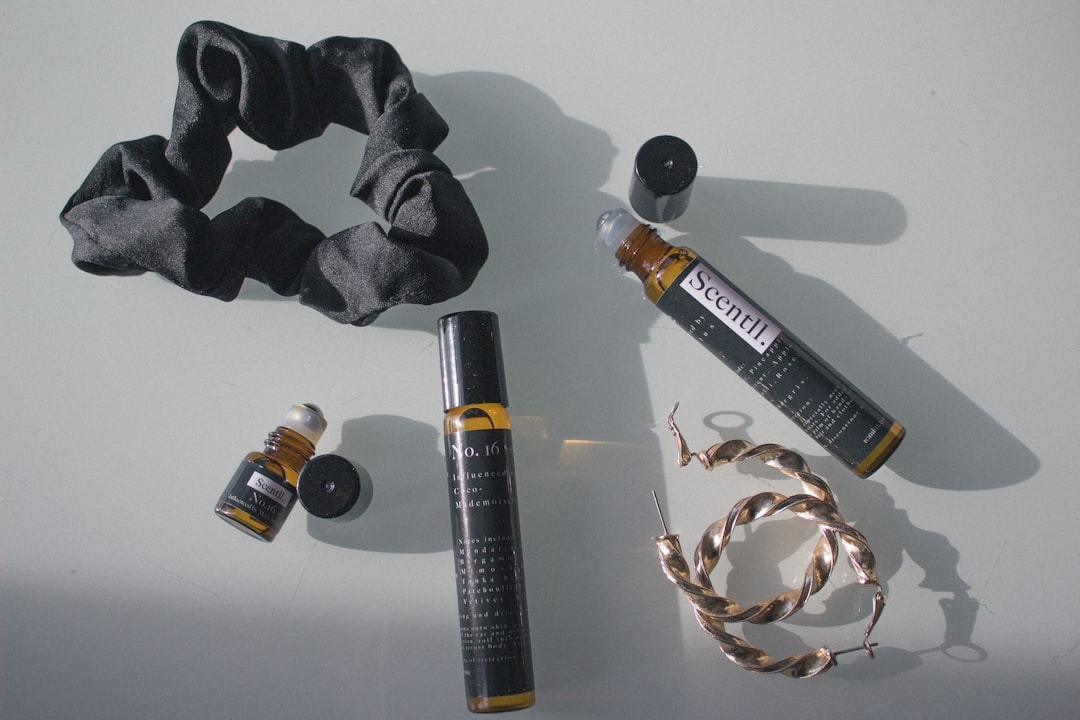
Sleeping on a cotton pillowcase creates friction that damages the hair cuticle and causes frizz. Switch to a silk or satin pillowcase (£10-£20) and you’ll notice less frizz and more shine even without other changes. If a new pillowcase feels like an unnecessary expense, try piling your hair into a loose silk scrunchie before bed. This protects both your hair and your pillowcase from damage.
Hair Accessories and Tension
Tight ponytails and buns create tension that damages the cuticle, particularly at the hairline and crown. Opt for loose styles with a silk scrunchie or spiral hair tie instead of elastic bands. Your hair will look shinier partly because there’s no denting from tight elastics, and partly because you’re causing less cumulative damage.
Reducing Product Buildup
Buildup dulls shine more dramatically than most people realise. Every styling product—dry shampoo, hairspray, mousse, serums—leaves residue if used regularly. Once monthly, use a clarifying shampoo specifically designed to remove buildup. These are harsher than regular shampoos, so monthly use is enough; more frequent use can dry out your hair. Alternatively, a rinse with diluted white vinegar (1 part vinegar to 10 parts water) removes buildup naturally and costs mere pennies.
Professional Treatments Worth Considering
Home care is foundational, but professional treatments can accelerate results, particularly if your hair is severely damaged or you’re short on time.
Keratin Treatments
In-salon keratin treatments coat the hair with a protein-based sealant, instantly adding shine and smoothness. They cost £60-£150 depending on hair length and thickness, last 8-12 weeks, and genuinely deliver noticeable shine improvement. The tradeoff: they require maintenance (avoiding water for 48 hours after treatment, using specific products), and they’re temporary. For special occasions or a quick boost, they’re worthwhile; for ongoing shine, they’re supplementary to good home care rather than a replacement.
Professional Deep Conditioning
Salon deep conditioning treatments use higher concentrations of active ingredients than home versions and allow professional techniques like heat application to improve penetration. One professional treatment (£25-£50) provides immediate visible shine that lasts 2-3 weeks. For best results, book one monthly alongside your home routine.
FAQ: Your Shiny Hair Questions Answered
How long does it take to get shiny hair?
With consistent effort, you’ll notice visible shine improvement within 2-3 weeks. More dramatic transformation typically takes 6-8 weeks of weekly deep conditioning, proper heat management, and scalp care. Hair grows slowly, so the truly permanent improvement comes as old, damaged hair falls out and is replaced by healthier new growth—a process that takes several months.
Can you get shiny hair naturally, or do you need products?
You can absolutely achieve shine with basic products: a good shampoo, a conditioning treatment, and perhaps one nourishing oil. Expensive brands aren’t necessary. The most important factors are consistency (doing the right things regularly) and technique (cool water rinsing, proper deep conditioning application). If budget is tight, focus on scalp health, nutrition, and heat management before splashing out on premium products.
Does hair type affect how to get shiny hair?
Texture matters. Fine, straight hair achieves shine more easily because the light reflects smoothly off fewer, smaller bumps. Curly, coarse, or textured hair requires slightly more conditioning and attention to frizz control (silk pillowcases and reduced heat help tremendously). The fundamental principles—deep conditioning, cool water rinses, reduced heat—apply to all hair types, but curly-haired readers might benefit from leave-in conditioners and curl-specific creams for extra shine and definition.
Is shiny hair always healthy hair?
Usually, yes. Shine indicates a smooth cuticle, which means the hair is structurally sound and retaining moisture. However, very oily hair can look falsely shiny due to sebum excess. True shine is glossy but not greasy—a distinction worth understanding. If your hair looks shiny but feels sticky or limp, you likely have too much product buildup or overactive sebum production, not genuine health.
What’s the quickest way to get shiny hair for a special event?
Book a professional deep conditioning treatment 1-2 days before your event. On the day itself, blow-dry your hair smooth (it reflects light better than air-dried texture), finish with a cool shot, and apply a lightweight shine spray or serum to the mid-lengths and ends. These instant-shine products contain reflective silicones that create the appearance of glossiness immediately, even if the underlying hair isn’t perfectly healthy. It’s not a permanent fix, but it works brilliantly for one night.
Moving Forward: Your Shiny Hair Action Plan
Getting shiny hair isn’t complicated, but it does require intentional choices. Start this week by introducing one change: deep condition once, switch to cool water rinses, or book a professional treatment. Small momentum builds. After two weeks, add another habit. By six weeks, you’ll have transformed your routine enough that shiny hair becomes your baseline, not an aspirational goal.
The science is clear: shine is achievable through a combination of scalp health, proper conditioning, heat management, and internal nutrition. You don’t need expensive products or invasive treatments. What you need is consistency and an understanding of why each step matters. Track your progress monthly with photos taken in natural light—the visible shift will motivate you to maintain these habits long-term. Shiny hair isn’t luck; it’s the result of knowing what works and committing to it.