Contents:
- Understanding Why Hair Turns Orange
- The Timeline for Fixing Orange Hair with Box Dye
- What Professionals Know About Toning
- Choosing the Right Box Dye to Correct Orange Hair
- Understanding Tonal Levels
- Product Recommendations
- Step-by-Step Instructions for Fixing Orange Hair
- Preparation (24–48 hours before)
- The Application Process
- Aftercare
- Why Some Orange Hair Needs Multiple Applications
- Eco-Friendly Alternatives to Multiple Box Dyes
- Common Mistakes to Avoid
- Frequently Asked Questions
- How long does it take to see results after fixing orange hair with box dye?
- Can I use purple shampoo instead of box dye to fix orange hair?
- What if the box dye turns my orange hair too dark?
- Is it safe to apply box dye to previously bleached orange hair?
- How often can I apply box dye to fix orange hair?
- Your Path to Cooler Tones
Approximately 60% of at-home hair colouring attempts result in an unexpected tone, with orange being the most common culprit. The good news? You don’t need an expensive salon visit to correct it. Learning how to fix orange hair with box dye is entirely achievable with the right approach, timing, and product selection.
Understanding Why Hair Turns Orange
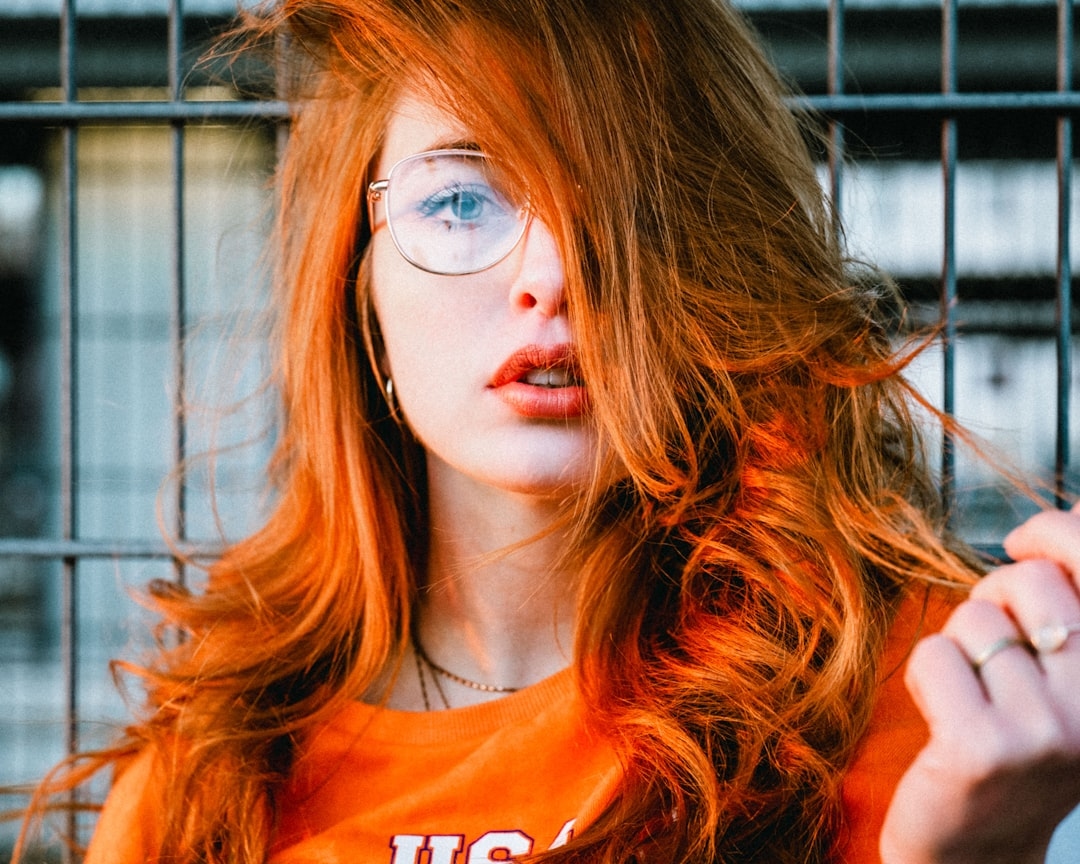
Orange tones appear when hair bleaching penetrates the cortex but doesn’t fully lift the warm undertones. Every strand of hair contains natural pigments called melanin. When you lighten hair, you’re breaking down those pigments in stages. Unfinished lightening reveals the warm yellow and orange hues underneath, rather than reaching the pale blonde or platinum you intended.
The intensity of orange depends on several factors: your starting hair colour, how long the bleach or lightener was on, the volume of developer used, and your hair’s porosity. Fine or heavily processed hair reaches orange tones faster, whilst thick, virgin hair takes longer to lighten.
The Timeline for Fixing Orange Hair with Box Dye
Timing is critical when attempting correction. Here’s what you need to know about scheduling your fix:
- Immediately (0–24 hours after): If the orange is fresh and you have very light, pale orange tones, you might apply a blue or violet toner straightaway. However, rushing into a second application risks severe damage.
- 48–72 hours after: This is the safest window. Your hair has time to stabilise, and the cuticle layer begins to close. You can assess the true tone without additional processing trauma.
- 1–2 weeks after: By this point, your hair is stronger. This is ideal for applying a toning box dye or a semi-permanent colour, which won’t require additional bleach.
- Beyond 2 weeks: If you’re aiming for a completely different shade (ash blonde, brunette, or black), waiting longer gives your hair maximum recovery time.
In spring 2026, many people rush their corrections before the season starts. Don’t. Patience saves both your hair and money spent on repeat treatments.
What Professionals Know About Toning
The Pro Tip: Professional colourists use toning shampoos and conditioning treatments between applications, not just one-step box dyes. When you fix orange hair with box dye at home, incorporate a toning shampoo into your routine. Products like blue shampoo (for orange tones) or violet shampoo (for yellow tones) work gradually, building pigment with each wash. Using these first costs £4–8 per bottle and often resolves mild orange without needing a full reapplication of dye.
Another secret: professionals know that semi-permanent colour is gentler than permanent box dye. If you’re not trying to go significantly lighter, a semi-permanent ash blonde or cool brown (around £3–6 per box) can neutralise orange whilst adding less chemical stress.
Choosing the Right Box Dye to Correct Orange Hair
Understanding Tonal Levels
Box dyes are numbered 1–10, with 1 being black and 10 being the palest blonde. To fix orange, you need to match or go slightly darker than your current tone, then add cool undertones.
If your orange hair is a 7 or 8 (medium to light blonde), choose a 7A or 8A (ash blonde). The “A” denotes cool, ashy undertones that neutralise warmth. A 7N (natural) or 7G (golden) will deepen the orange, so avoid those.
If your orange is more of a 6 or 7 (golden-blonde to light brown), a 6A or 7A ash brown works well. These typically cost £4–7 from supermarkets like Tesco, Sainsbury’s, or Boots, or £6–10 from specialist beauty brands.
Product Recommendations
Look for box dyes specifically labelled “ash,” “cool,” or “neutral.” Avoid warm-toned shades and anything labelled “gold” or “honey.” Brands like L’Oréal, Schwarzkopf, and Clairol offer reliable ash-toned options within the £4–8 range. For more intensive toning, semi-permanent dyes like Wella Color Charm (£5–7) deposit colour without lifting, making them safer for damaged hair.
Step-by-Step Instructions for Fixing Orange Hair
Preparation (24–48 hours before)
Begin conditioning treatments or hair masks 48 hours before colouring. Orange hair is typically lightened hair, which is porous and prone to dryness. Hydration helps the dye deposit evenly. Use a deep-conditioning mask or coconut oil treatment, applying from mid-length to ends.
Skip shampooing for at least 48 hours before application. Your scalp’s natural oils protect against irritation.
The Application Process
Gather supplies: You’ll need the box dye, a non-metal bowl, an application brush, sectioning clips, old towels, and gloves. Have a comb ready for detangling.
Section your hair: Divide hair into four quadrants using clips. This ensures even coverage, particularly important when fixing orange hair because you need consistent toning throughout.
Protect your skin: Apply a thin layer of petroleum jelly or barrier balm along your hairline, ears, and neck.
Mix and apply: Follow the box instructions precisely. Most ash toners require equal parts dye and developer. Apply from the roots (if your orange extends there) and work through to ends, ensuring every strand is saturated. Comb through gently with a fine-tooth comb to distribute evenly.
Processing time: Box dyes typically process for 25–45 minutes. Set a timer. Leaving it longer won’t deepen the effect; it risks additional damage. Check colour development at 25 minutes if it’s your first application.
Rinse thoroughly: Use cool water, not hot, which opens the cuticle and allows colour to escape. Rinse until water runs clear. Shampoo gently with a colour-safe shampoo, then apply the conditioner from the box or a deep conditioner.
Aftercare
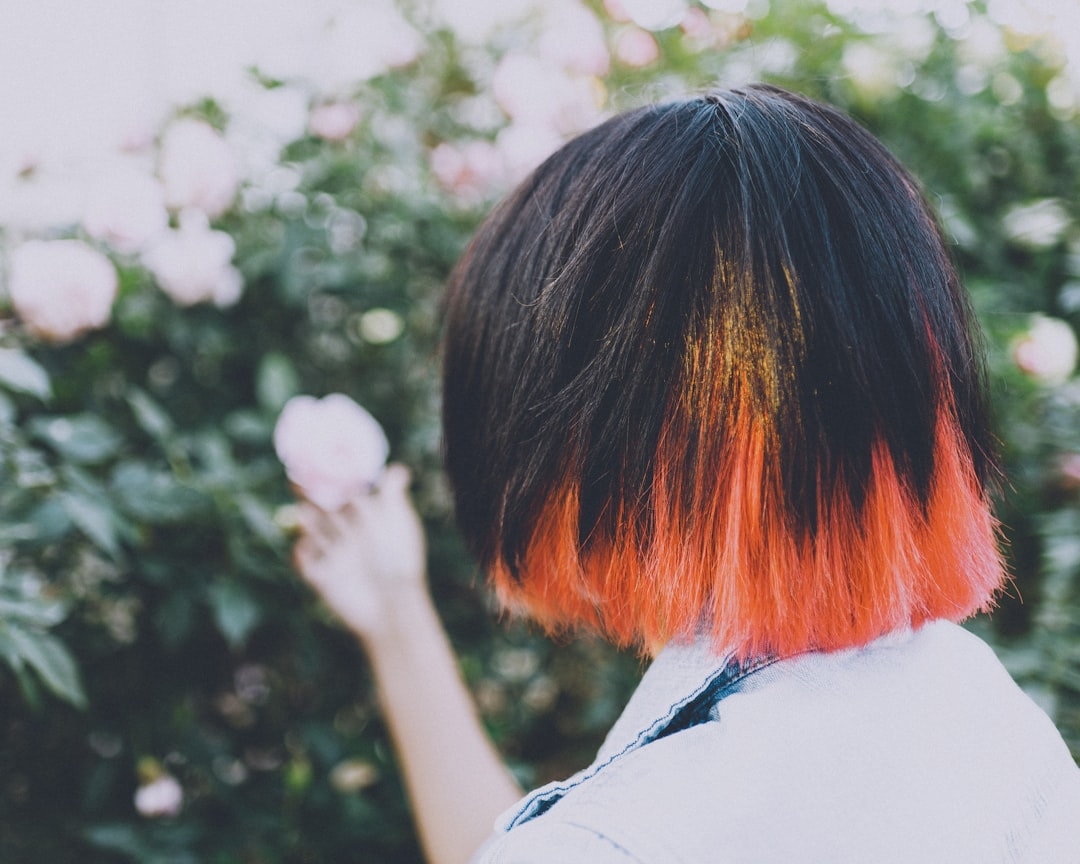
Your newly toned hair needs protection. Wait 48 hours before shampooing again. Use a colour-safe shampoo and conditioner for the next two weeks. Minimise heat styling, or use a heat protectant spray (£3–6) underneath. The cooler tones are delicate and will fade faster with heat exposure.
Why Some Orange Hair Needs Multiple Applications
If your orange is very intense or your hair has been lightened multiple times, one application might not fully neutralise it. This is normal. The dye won’t reach the same depth in already-porous hair because it can’t adhere as strongly as it would to virgin hair.
If after 72 hours the orange is still visible, apply a second round using the same shade. Space applications by at least 7–10 days to prevent breakage. Each application deposits more cool pigment, gradually shifting the tone.
Eco-Friendly Alternatives to Multiple Box Dyes
Repeated box dye applications generate packaging waste and use more chemicals. Consider sustainable options: toning shampoos and conditioners (reusable bottles, concentrated formulas) gradually neutralise orange over several washes. Alternatively, some salons now offer colour correction services using lower-impact formulas, though these cost more upfront (£40–80) than box dyes.
If you’re committed to DIY, buy one quality box dye rather than multiple cheaper ones. Higher-end brands often use conditioning agents that reduce damage, meaning your hair stays healthier even if correction takes two applications instead of one.
Common Mistakes to Avoid
Applying immediately after lightening: Your hair is weakened. Wait at least 48 hours.
Using a darker shade than necessary: Ash tones are subtle. A level 8A is cooler than a 7A, even though 7A is darker. Choose based on undertone, not depth alone.
Skipping the conditioner in the box: That conditioner is formulated for the dye’s pH. Use it.
Applying dye to dry, tangled hair: Detangle gently with a wide-tooth comb whilst damp. Knots prevent even coverage and lead to patchy results.
Using developer with a higher volume than recommended: Volume measures the strength of the developer. 20 volume is standard in box dyes. Higher volumes can cause additional damage without improving results on already-lightened hair.
Frequently Asked Questions
How long does it take to see results after fixing orange hair with box dye?
Visible results appear immediately after rinsing. The colour continues to settle and deepen over the first 24–48 hours. Full colour development occurs after one week, once the cuticle layer has fully closed.
Can I use purple shampoo instead of box dye to fix orange hair?
Purple shampoo works best for yellow tones in blonde hair. Orange tones are warmer and require blue-based toning. Blue shampoo is more effective, though it works gradually over several washes. For quick, dramatic results, box dye is faster.
What if the box dye turns my orange hair too dark?
Ash-toned dyes can appear darker during processing because of the cool pigment layering. If it’s darker than desired once dried, you can gently lighten it with a toning shampoo or a diluted purple shampoo. Avoid bleaching again immediately; your hair needs recovery time.
Is it safe to apply box dye to previously bleached orange hair?
Yes, as long as you follow timing guidelines and use a proper tone-on-tone box dye or semi-permanent colour. The risk is not safety but uneven colour if your hair’s porosity is damaged. Conditioning treatments beforehand significantly improve results.
How often can I apply box dye to fix orange hair?
Space applications at least 7–10 days apart. More frequent applications risk severe damage, breakage, and dryness. If you need faster results, prioritise toning shampoos between applications rather than repeating box dye.
Your Path to Cooler Tones
Orange hair is frustrating, but it’s completely fixable at home. By understanding why the orange appears, waiting the right amount of time, choosing an ash-toned box dye, and following application instructions carefully, you’ll neutralise that warmth and achieve the cooler blonde or brunette you wanted. Start with a toning shampoo if the orange is mild, progress to a semi-permanent colour if it’s moderate, and reserve box dye for the most stubborn cases. Your hair will thank you for the patience, and your wallet will appreciate the savings compared to professional correction. Begin your correction today, and you’ll have the tone you love by the end of the week.