Contents:
- Why Hair Loses Straightness and Develops Frizz
- How to Keep Your Hair Straight All Day Without Frizz: The Foundation
- Start With Proper Hair Preparation
- Apply Anti-Frizz Products Pre-Heat
- The Blow-Dry Technique That Matters
- Section Hair and Blow-Dry Correctly
- Blow-Dry Direction Matters
- Straightening Iron Technique for All-Day Results
- Choose the Right Straightener
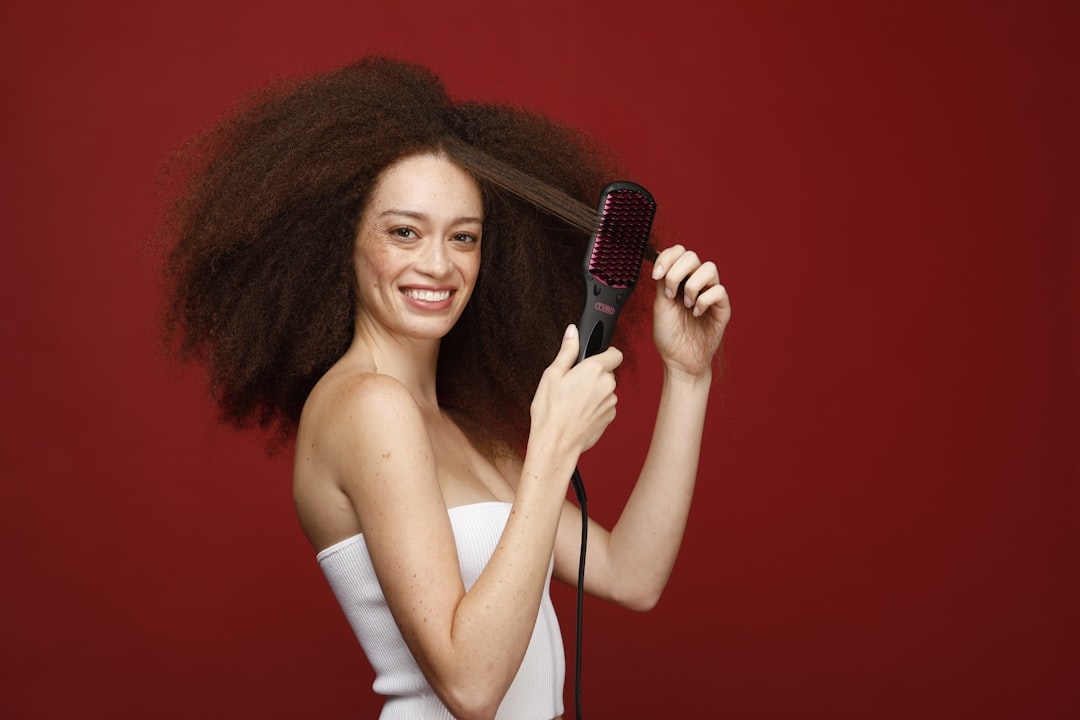
- Straightening Iron Application Method
- The Sealing Step: Post-Straighten Frizz Prevention
- Seasonal Timing Considerations for Straight Hair Success
- Expert Insight
- Quick Maintenance Tips for Long-Lasting Straightness
- FAQ
Your hair looked perfect when you left home this morning—sleek, straight, shiny. By lunchtime, the edges have frizzed, random waves have crept in, and you’re hunting for a bathroom to fix it. The humidity outside feels heavy against your straightened strands, and your carefully styled hair is surrendering to moisture. This battle between your blow-dryer and the British weather is winnable, but it requires understanding why straightness fails and which techniques actually hold up against frizz-inducing humidity.
Why Hair Loses Straightness and Develops Frizz
Hair straightness fails because of moisture. Hair shafts contain hydrogen bonds—molecular connections that hold hair in its current shape. Water molecules break these bonds, causing hair to revert toward its natural shape and creating frizz as individual strands respond differently to moisture absorption. Humidity is essentially invisible water vapour in the air, and your hair’s exterior porous structure absorbs this moisture, disrupting straightness and cuticle alignment.
Additionally, natural oils (sebum) produce a protective layer on straight hair, sealing the cuticle and preventing moisture penetration. If you wash hair immediately before straightening, removing these protective oils, frizz develops faster. If you straighten already-oily hair, the oils may cause heat buildup and re-waving. Finding the right balance between clean enough to style smoothly and oily enough to protect against moisture is crucial.
How to Keep Your Hair Straight All Day Without Frizz: The Foundation
Start With Proper Hair Preparation
Preparation determines 60% of your straightness success. Begin by washing hair 24-48 hours before straightening (not immediately before). This allows natural oils to rebuild whilst hair is still freshly clean. If you must straighten freshly washed hair, apply a light leave-in conditioner or anti-frizz serum immediately after towel-drying, before blow-drying.
Towel-dry hair until it’s damp but not dripping. Soaking-wet hair takes too long to blow-dry and risks heat damage; completely dry hair is harder to straighten smoothly. The damp state is optimal—still wet enough to comb through smoothly without excessive tangling.
Apply Anti-Frizz Products Pre-Heat
This is the critical step most people skip. Anti-frizz products create a protective barrier against moisture. Apply a smoothing serum, heat-protectant spray, or anti-frizz cream to damp hair before blow-drying. Products like:
- Frizz-Ease Serum (£4-6, Boots): Oil-based, creates visible shine and seals cuticles effectively.
- Moroccanoil Treatment (£18-22, Space NK, Boots): Premium option with argan oil, extends frizz control 12+ hours.
- SheaMoisture Coconut & Hibiscus Anti-Frizz Defining Cream (£5-7, Boots): Budget-friendly, works well for textured hair straightening.
- TRESemmé Keratin Smooth Heat Protectant Spray (£2-3, Superdrug): Spray format, distributes evenly, protects whilst drying.
Apply serum to mid-lengths and ends, avoiding the scalp (excess scalp oil plus serum creates greasy appearance). For very frizz-prone hair, apply light serum to roots as well. Most people under-apply; you need enough to coat each section visibly.
The Blow-Dry Technique That Matters
Section Hair and Blow-Dry Correctly
Divide hair into 4-6 sections using clips. This prevents re-wetting sections already dried and ensures thorough drying. Start with the section underneath (nape of neck), work upward, finishing with the crown and front sections last. This order prevents already-dried hair from becoming damp again.
Blow-dry each section completely dry before moving forward. Don’t rush. It takes 20-30 minutes to properly blow-dry medium-length hair; longer hair takes 30-45 minutes. Rushing and leaving hair damp or barely dry means straightening won’t hold. Dryness is prerequisite; without it, straightness is temporary.
Blow-Dry Direction Matters
Always blow-dry from root to tip in the direction you want hair to lay. Blow-drying upward (against the cuticle) causes frizz and disrupts cuticle alignment; downward (with the cuticle) seals the cuticle and creates smooth, frizz-resistant hair. Use a concentrator nozzle on your blow-dryer (narrow, focused airflow rather than wide dispersal) and direct air downward throughout.
When completely dry, run a cool shot from your blow-dryer through each section. This cools the cuticles, helping them lock into the straightened position. Don’t skip this step—the cool-down is invisible but genuinely affects how long straightness lasts.
Straightening Iron Technique for All-Day Results
Choose the Right Straightener
Hair straighteners with ceramic or tourmaline plates heat evenly and minimize frizz-causing heat damage. Budget straighteners (£15-30) often have hot spots causing uneven straightening; mid-range (£40-100) provide better temperature control; premium (£100+) offer features like ionic technology reducing frizz. For most people, mid-range straighteners (£50-80) deliver excellent results. Brands like GHD (£100+, Space NK), BaByliss Pro (£70-90, Boots), or budget options like Revlon One-Step (£35-45, Boots) all work.
Temperature matters significantly. Fine or damaged hair straightens at 150-200°C; medium hair at 200-250°C; thick or coarse hair at 250-300°C. Using excessive temperature causes damage and paradoxically increases frizz through cuticle disruption. Use the lowest temperature achieving straightness; this protects hair whilst maintaining results.
Straightening Iron Application Method
Start with completely dry hair (this cannot be overstated—even slightly damp hair causes frizz and damage). Section hair again, and straighten each section from root to tip in one smooth motion. Move slowly—rushing causes incomplete straightening and waviness. Each pass through the straightener should take 3-5 seconds, not faster.
Apply anti-frizz serum or smoothing cream between sections before straightening (optional but highly effective). Some people straighten dry, then apply product afterwards; others apply minimal product pre-straighten, then seal with product after straightening. Both methods work; experiment to find which your hair prefers.
Pass through each section only 1-2 times. Over-straightening damages hair and causes cumulative heat stress. Once is often sufficient; twice if hair is particularly curly or resistant. Three passes is excessive and risks damage.
The Sealing Step: Post-Straighten Frizz Prevention
After straightening all hair, immediately apply an anti-frizz sealing product. This locks in straightness and creates a moisture barrier lasting hours. Options include:
- Anti-Frizz Serums: Frizz-Ease, Moroccanoil, or Carol’s Daughter Black Vanilla Smoothing & Shine Cream applied to hair lengths (not scalp) creates visible shine and protection.
- Smoothing Sprays: Bumble and Bumble Smoothing Blowout Spray (£26, Space NK) or TRESemmé Keratin Smooth Shine Serum Spray (£3-4, Superdrug) apply lightweight protection without heavy feel.
- Lightweight Oils: Argan oil, jojoba oil, or coconut oil applied sparingly to ends and mid-lengths seal the cuticle and provide moisture (use minimal amount; over-oiling creates greasiness).
Apply to mid-lengths and ends primarily, with a tiny amount on the front sections where frizz is most visible. Avoid scalp application; you don’t want your freshly straightened hair becoming greasy immediately.
Seasonal Timing Considerations for Straight Hair Success
Humidity varies dramatically across seasons, affecting straightness duration. Winter months (December-February) have lower humidity, and straightness holds 12-14+ hours easily. Spring and autumn (March-May, September-November) have moderate humidity; straightness holds 8-10 hours. Summer months (June-August) have highest humidity; straightness holds 6-8 hours maximum. Plan straightening timing accordingly—if you’re straightening for an evening event in July, do it closer to the event than if it were January. Morning straightening works perfectly in winter; summer events require either afternoon straightening or additional mid-day touch-ups.
Expert Insight
David Martinez, a stylist at London’s Blow-Dry Bar chain, explains: “The most common mistake I see is people straightening damp hair. They’re rushing, they think ‘mostly dry is fine,’ and by noon their hair has refrizzed completely. Completely dry hair is non-negotiable. Second mistake is applying anti-frizz serum after straightening instead of before. Serum seals moisture in, so if you apply it before blow-drying, it’s part of the hair structure. Apply it after straightening, it sits on top and sometimes actually increases frizz rather than preventing it. Getting the sequence right—prep with serum, blow-dry completely, straighten, seal again—changes everything.”
Quick Maintenance Tips for Long-Lasting Straightness
Throughout the Day: Avoid touching your hair excessively; friction and manipulation encourage frizz. In humid environments, carry a small bottle of anti-frizz serum and apply sparingly to frizzy sections mid-day. A portable straightener (smaller plates, battery or rechargeable) allows quick touch-ups if necessary.
Protection from Rain and Moisture: Rain accelerates frizz development. If you’ll be outside, carry a lightweight umbrella or hat. For brief exposure, anti-frizz serum provides temporary protection; for extended wet weather, straightened hair will frizz regardless.
Sleeping on Straight Hair: If straightening in the morning and sleeping on it that night, use a silk or satin pillowcase (reduces friction) or wrap hair loosely in a silk scarf. Cotton pillowcases cause friction and frizz; silk prevents this.
FAQ
How do you keep straight hair straight all day without frizz?
Blow-dry completely dry after applying anti-frizz serum. Straighten each section slowly at appropriate temperature. Seal with anti-frizz serum after straightening. In humid conditions, carry touch-up products. This sequence holds straightness 8-14 hours depending on humidity and hair type.
What product prevents hair frizz best?
Oil-based serums (Frizz-Ease, Moroccanoil) provide longest-lasting protection. Budget options like TRESemmé spray work well for 6-8 hours. Premium products like Bumble and Bumble extend protection to 12+ hours. Choose based on your budget and humidity level where you live.
Does straightening damage hair?
Occasional straightening (1-2 times weekly) with proper heat protection doesn’t significantly damage hair. Daily straightening without heat protectant or proper drying causes cumulative damage (breakage, dryness, frizz). Use heat protectant always, straighten at lowest effective temperature, and limit frequency.
How long does straightened hair actually stay straight?
In low humidity, 12-14+ hours. In moderate humidity, 8-10 hours. In high humidity or summer conditions, 6-8 hours. Duration depends on hair type (thick, coarse hair holds longer than fine, thin hair), humidity, and product application thoroughness.
Can you straighten damp hair?
Not effectively. Damp hair straightens incompletely and develops frizz quickly because moisture persists in the hair shaft. Completely dry hair straightens smoothly and holds straightness much longer. Always blow-dry completely before straightening.
Keeping your hair straight all day without frizz isn’t complicated, but it requires committing to preparation, using appropriate products, and following the sequence: prep with serum, blow-dry thoroughly, straighten methodically, and seal with protective product. This approach transforms straightness from lasting 3-4 hours into lasting 8-12+ hours depending on conditions. Start with the foundational steps—complete drying and sealing—before upgrading products. The technique matters more than the price tag.