Contents:
- Visual Signs of Heat Damaged Hair
- Dull, Lifeless Appearance
- Split Ends
- Frizz and Breakage
- Loss of Elasticity
- Straw-Like Texture
- Comparison with Other Hair Problems
- Expert Quote from Hair Specialist Dr. Senna Mitchell
- How Heat Causes Damage at a Microscopic Level
- Heat Damage vs. Chemical Damage: Key Differences
- Eco-Friendly Perspective on Heat Styling
- Recovery Timeline for Heat Damaged Hair
- Mild Heat Damage (First 3-4 weeks of symptoms)
- Moderate Heat Damage (1-3 months of damage)
- Severe Heat Damage (Ongoing for 3+ months)
- Prevention is Superior to Recovery
- FAQ Section
- Can heat damaged hair be repaired permanently?
- How do I know if my dull hair is from heat or just dryness?
- Will cutting off heat damaged hair help it look better?
- How often should I trim heat-damaged hair?
- Can I use heat styling on heat-damaged hair?
Your hair looked healthy last month. Now it looks dull, frays at the ends, and breaks when you touch it. Heat damage is often mistaken for other hair problems until you realise the pattern coincides with increased blow-drying or flat iron use. Recognising what heat damaged hair looks like is the first step toward stopping further damage and beginning recovery.
Visual Signs of Heat Damaged Hair
Dull, Lifeless Appearance
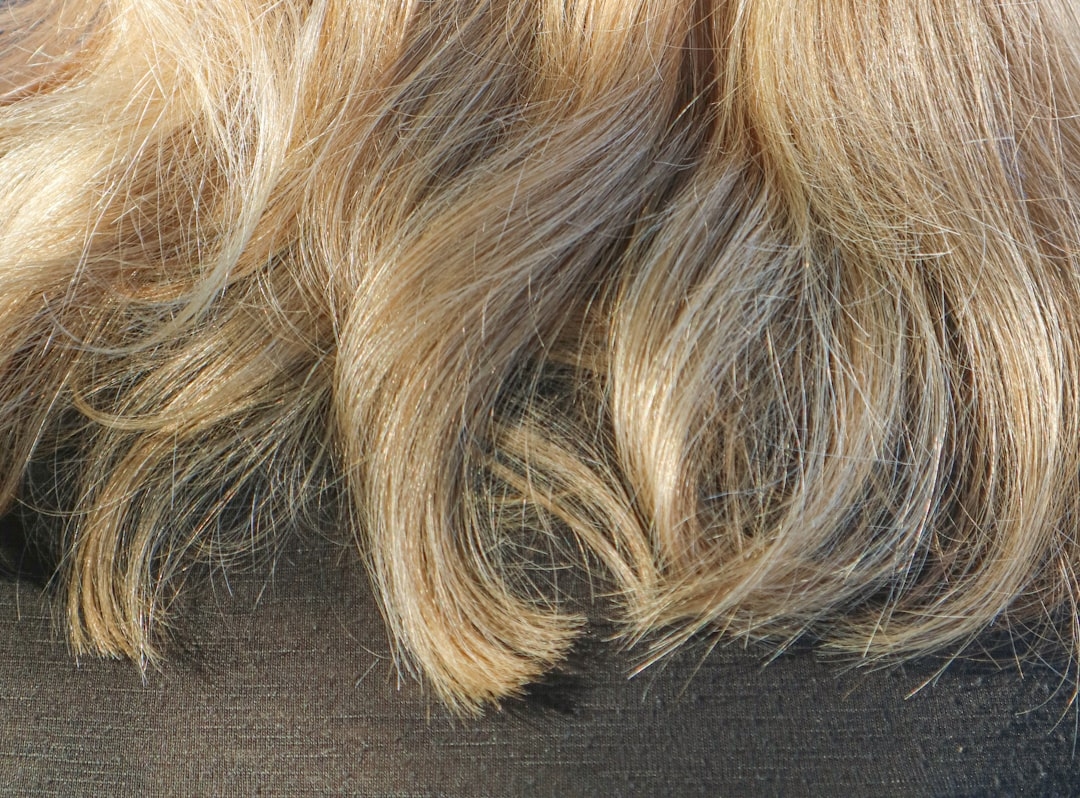
What heat damaged hair looks like often starts with a significant loss of shine. Healthy hair reflects light uniformly; heat-damaged hair’s raised cuticles scatter light unevenly, creating a dull, chalky appearance. If your hair looked shiny and now looks matte despite using products that previously worked, heat damage may be responsible.
Split Ends
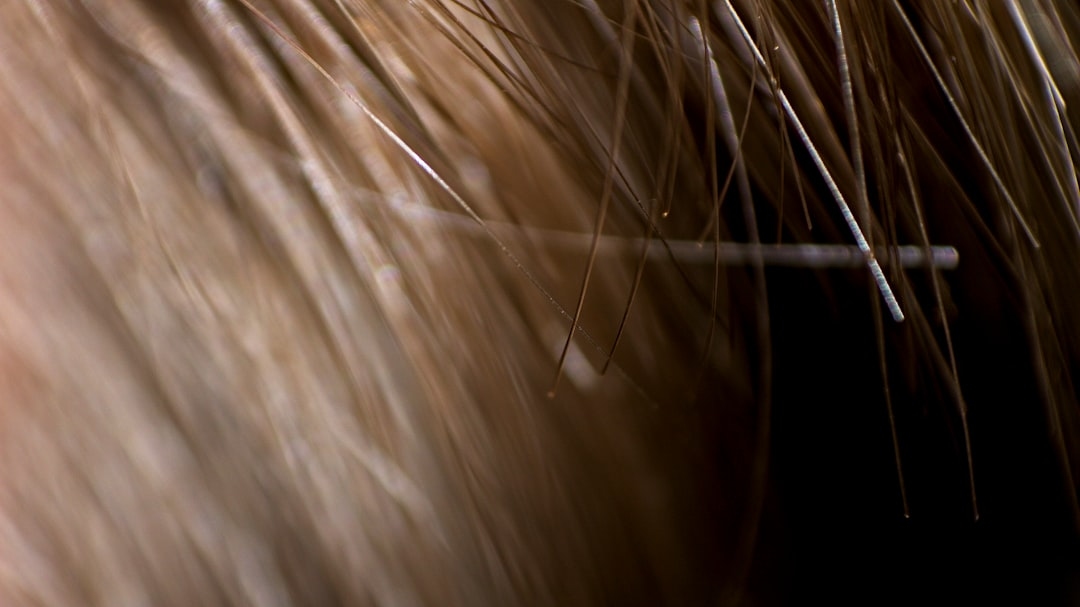
Heat causes the protein bonds in your hair to break down, weakening the hair structure. Split ends develop when the inner cortex separates from the outer cuticle. You’ll notice frayed, split tips when you examine hair strands closely. This is especially visible on light-coloured hair where split ends are more obvious.
Frizz and Breakage
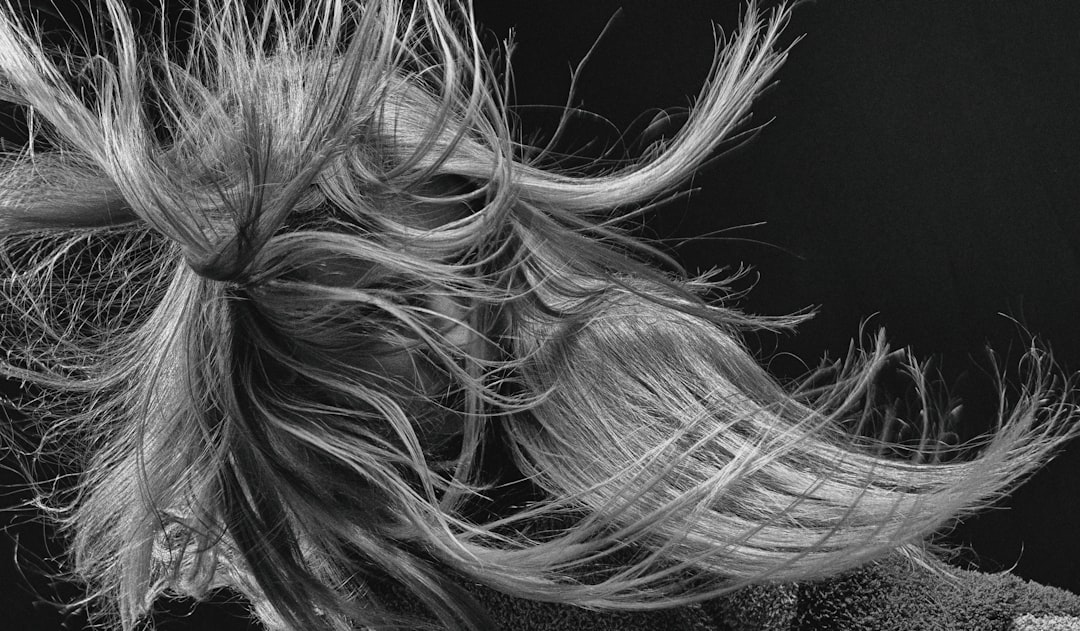
Raised cuticles from heat damage create frizz—hair that looks fuzzy and undisciplined. Breakage increases as the hair’s structural integrity weakens. You’ll notice more hair in your brush, more strands coming loose during styling, and increased shedding in the shower.
Loss of Elasticity
Healthy hair stretches when wet and returns to its original length. Heat-damaged hair breaks when stretched. Test elasticity by taking a damp strand and gently pulling. If it snaps immediately rather than stretching, heat damage is present.
Straw-Like Texture
Severely heat-damaged hair feels coarse, dry, and rough to the touch—like straw rather than hair. This results from the cuticle standing up and moisture escaping. No amount of conditioner fully restores the feel unless you cut off the damaged portion.
Comparison with Other Hair Problems
Heat damage is sometimes confused with dryness or protein deficiency, but the distinction matters because treatment differs. Dry hair still has a healthy cuticle that responds to moisture and conditioning. Heat-damaged hair’s cuticle is physically altered and won’t fully repair through products alone. Protein-deficient hair can be restored through protein treatments; heat-damaged hair needs cutting or accepting permanent changes.
Expert Quote from Hair Specialist Dr. Senna Mitchell
Dr. Senna Mitchell, a trichologist and specialist in hair damage at Manchester Hair & Scalp Centre, explains: “Heat damage is cumulative and permanent. Each blow-dry or flat iron use at high temperatures adds up. What most people don’t realise is that once the cuticle is raised and the cortex is compromised, no product can genuinely repair it. You can temporarily improve appearance through conditioning, but you can’t undo the structural damage. Prevention is infinitely better than treatment.”
How Heat Causes Damage at a Microscopic Level
Hair is primarily made of protein. Heat denatures these proteins, altering their structure permanently. At 150°C (typical flat iron temperature), protein bonds begin breaking. At 200°C and above, significant denaturation occurs. Most blow dryers run 80-120°C; flat irons run 120-200°C. The higher the temperature and the longer the exposure, the more damage accumulates.
This damage is irreversible at the microscopic level. The altered protein structure cannot be restored to its original state through any topical product. This is why truly repairing heat damage requires cutting off the damaged hair.
Heat Damage vs. Chemical Damage: Key Differences
Heat damage appears gradually, worsening over weeks and months of thermal styling. Chemical damage (from bleaching, relaxers, or perms) often appears more suddenly and dramatically. Heat damage primarily affects the outer cuticle initially; chemical damage penetrates deeper into the cortex.
However, combining heat and chemical damage accelerates both. Someone who bleaches their hair then regularly blow-dries it experiences compounded damage far worse than either alone.
Eco-Friendly Perspective on Heat Styling
Reducing heat styling benefits both your hair and the environment. Each blow-dry uses approximately 0.15kWh of electricity; styling 5 days weekly costs roughly £15 yearly in electricity. Air-drying or using lower heat settings reduces environmental impact and prevents heat damage simultaneously. Embracing natural texture or heatless styling methods represents a win for both sustainability and hair health.
Recovery Timeline for Heat Damaged Hair
Mild Heat Damage (First 3-4 weeks of symptoms)
Stop heat styling entirely. Use deep conditioning treatments weekly. Take supplements supporting hair health (biotin, collagen). You’ll see improvement within 4-6 weeks as new undamaged hair grows and you trim damaged ends.
Moderate Heat Damage (1-3 months of damage)
Recovery takes 8-12 weeks. Cut off damaged ends every 4-6 weeks. Implement protective heat styling practices (heat protectant sprays, lower temperatures, brief exposure). Use conditioning treatments twice weekly.
Severe Heat Damage (Ongoing for 3+ months)
Significant cutting may be necessary. The most efficient recovery is accepting a shorter hairstyle, cutting off most damaged hair, and rebuilding from that point. This typically requires 12-18 months of healthy growth to reach your desired length again.
Prevention is Superior to Recovery
Using heat protectant spray (£4-£10 per bottle) before styling reduces damage by 40-60%. Using lower heat settings (120-150°C instead of 200°C) cuts damage dramatically. Limiting heat styling to 2-3 times weekly instead of daily prevents accumulation. These preventive measures are far simpler than dealing with heat-damaged hair.
FAQ Section
Can heat damaged hair be repaired permanently?
No. Permanent damage to hair structure cannot be reversed through products. Deep conditioning improves appearance temporarily, but cutting off damaged hair is the only genuine solution. Prevention through proper heat styling is essential.
How do I know if my dull hair is from heat or just dryness?
Test elasticity: stretch a damp strand gently. If it snaps immediately, heat damage is likely. If it stretches then returns to length, it’s probably just dryness. Also consider your styling habits—if you blow-dry daily, heat damage is probable.
Will cutting off heat damaged hair help it look better?
Yes, dramatically. Removing split ends and damaged lengths immediately improves appearance and prevents further splitting. Even removing just 1-2 inches of damaged ends restores shine and improves texture.
How often should I trim heat-damaged hair?
Every 4-6 weeks whilst actively recovering from heat damage. This removes the most damaged portions and prevents split ends from travelling upward. Once damage is gone, trim every 8-12 weeks for general maintenance.
Can I use heat styling on heat-damaged hair?
You can, but you’re worsening the damage. If you must use heat, apply heat protectant, use the lowest effective temperature, and limit exposure. Ideally, stop heat styling entirely until the damaged hair is trimmed away.
Heat damaged hair looks dull, breaks easily, and feels straw-like because its protective cuticle is compromised and inner structure is weakened. This damage is permanent and cannot be reversed through products alone. The good news: recognising heat damage motivates prevention. Stop heat styling, trim damaged ends, use heat protectant products, and use lower temperatures when styling. Your hair’s health depends far more on preventing future damage than trying to repair past damage. Recovery takes months of commitment, but prevention takes nothing but awareness.