Contents:
- Understanding Hair Volume vs. Hair Thickness
- Instant Volume Methods (Work Immediately)
- Volumising Mousse Application (2-3 Minutes)
- Blow-Drying with Proper Technique (5-10 Minutes)
- Teasing and Backcombing (2-3 Minutes)
- Root-Lifting Sprays and Texturising Sprays (1-2 Minutes)
- Longer-Term Volume Solutions (4-8 Weeks for Results)
- Volumising Shampoo and Conditioner Protocol
- Protein Treatments for Strengthening
- Scalp Treatments and Root Boosts
- Styling Product Choices That Support Volume
- Professional Treatments for Volume
- Volumising Treatments at Salons
- Perms and Volumising Perms
- Seasonal Adjustments for Optimal Volume
- A Historical Perspective: Volume Through the Decades
- FAQ: Hair Volume Questions
- Can I make thin hair appear thick permanently?
- Does teasing damage hair?
- Is a perm suitable for fine hair?
- Which styling tool creates the most volume?
- How long do volumising products last?
In 1960s London, bouffants and beehives dominated—hairstyles that celebrated volume. Today, flat, limp hair often passes as a style choice, but if you’d prefer thicker, fuller hair, you’re not alone. Approximately 35% of women report concerns about hair volume or density.
The frustrating reality: volume is harder to create than to destroy. But it’s not impossible. Whether you have naturally fine hair, hair thinned by damage, or simply reduced volume from styling, legitimate methods exist to create fuller, more voluminous hair. Some work instantly; others require consistent effort but deliver permanent improvement.
Understanding Hair Volume vs. Hair Thickness
These terms describe different things. Hair thickness refers to individual strand diameter—how thick each hair is. Hair volume describes how much hair you have overall (density) and how much space it occupies. You can have naturally thick individual strands but low volume if you have fewer hairs. Conversely, you might have many thin strands creating significant volume.
This distinction matters because solutions differ. Low strand thickness requires strengthening products. Low overall volume requires density-increasing products or styling tricks that make existing hair appear fuller. Most people have adequate strand thickness but need solutions for maximising volume appearance.
Instant Volume Methods (Work Immediately)
Volumising Mousse Application (2-3 Minutes)
This is the fastest way to add visible volume. Volumising mousse (often called volumiser or thickening mousse) contains light polymers that coat hair, increasing its apparent thickness.
Application technique matters: Apply to damp roots only, not full lengths. Use approximately one egg-sized dollop. Work through roots with fingers, ensuring even distribution. Don’t apply to mid-lengths or ends—this weights down the volume you’re trying to create.
Top UK options (2026):
- Tresemmé Beauty-Full Volume Mousse (£3-4) – budget option, works surprisingly well
- Cantu Volume Mousse (£5-6) – good hold, lightweight
- Garnier Fructis Volume Boost Mousse (£3-4) – affordable, decent results
- Kérastase Genesis Volumising Mousse (£22-26) – professional-quality, superior hold and shine
- Bumble and bumble Thickening Full Form Mousse (£28-32) – luxury option, minimal visible product
Budget choice: Tresemmé at £3-4. One bottle lasts 20-30 applications. Cost: approximately £4-6 monthly if used daily.
Blow-Drying with Proper Technique (5-10 Minutes)
How you dry your hair dramatically affects volume. Improper drying collapses volume; proper technique creates it.
Volume-boosting blow-dry technique:
- Apply mousse to damp roots (as described above)
- Flip your head upside down
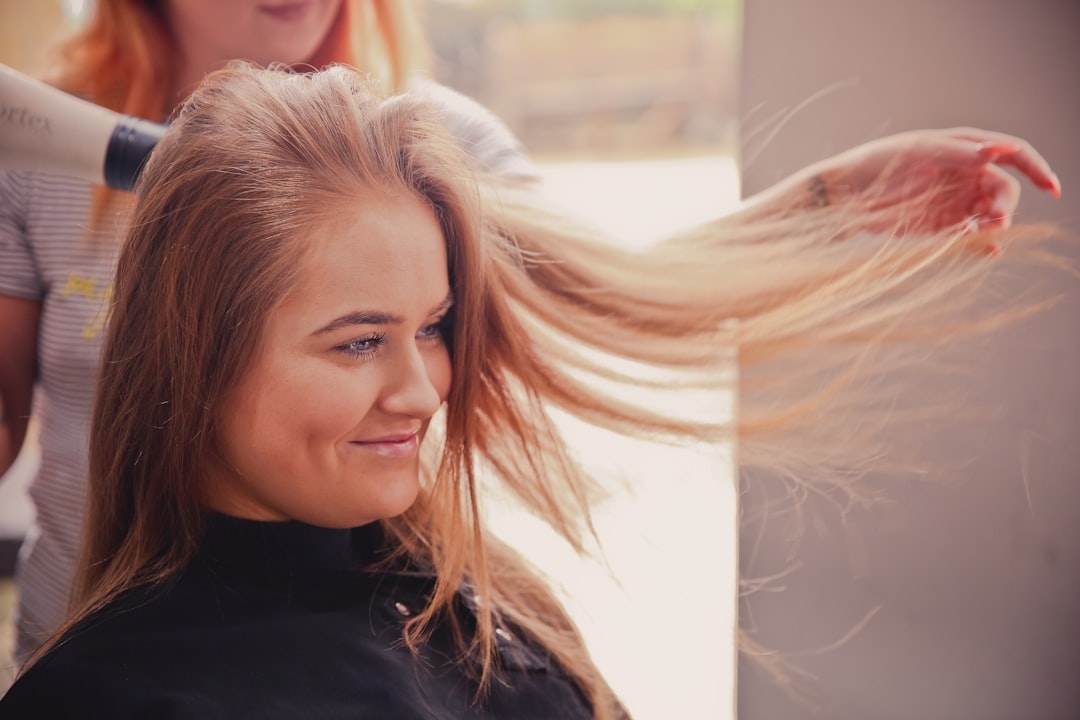
- Using a round brush, lift each section away from the scalp whilst directing the dryer’s airflow toward the roots
- Create a round brush curl at the roots, holding for 3-5 seconds whilst drying
- Release and move to the next section
- Once mostly dry, flip your head back and finish drying in normal direction
This technique creates volume at roots where it matters most. A regular blow-dry without this technique collapses volume; this technique creates lift that lasts all day.
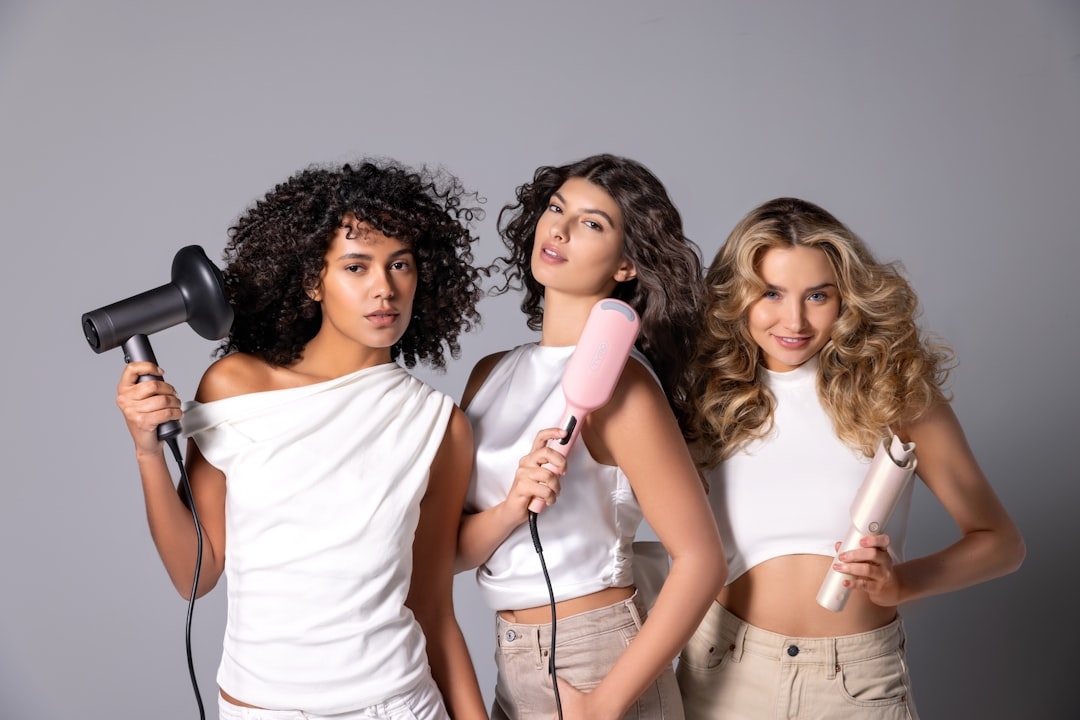
Hair dryer recommendation: A lightweight dryer with concentrator nozzle works best. Examples: Dyson Supersonic (£299), GHD Air (£169), or budget option Tesco Tassimo (£35-45). Even a basic dryer works—technique matters more than equipment cost.
Teasing and Backcombing (2-3 Minutes)
Teasing (also called backcombing or ratting) creates texture that appears fuller. It’s a traditional method used by stylists for decades.
How to tease properly:
- Section off the crown area (top 3-4 inches)
- Using a teasing brush or fine-toothed comb, comb backward (toward the scalp) in short, quick motions
- Create gentle tangles rather than harsh knots
- Smooth the top layer with your regular brush, leaving the teased layer underneath untouched
- Secure with light hairspray
Teasing creates perceived volume at the crown, your most visible area. The top layer stays smooth; underneath tangles provide structure. Properly done, teasing is invisible—it just looks like your hair is naturally fuller.
Tools needed: Teasing brush (£5-10) or fine-toothed comb (£2-3). That’s the only investment.
Root-Lifting Sprays and Texturising Sprays (1-2 Minutes)
Spray-on volumisers add texture and grip, making hair appear fuller and hold styles better.
Options:
- Not Your Mother’s Beach Bombshell Salt Spray (£5-6) – adds texture and slight hold
- Tigi Bed Head Dry Shampoo (£6-7) – doubles as dry shampoo and volumiser
- Bumble and bumble Thickening Full Form Spray (£28-32) – professional option
- Lee Stafford Sea Salt Texture Spray (£5-6) – creates immediate texture
Apply to damp or dry roots for instant texture and apparent volume. Results last until next wash.
Longer-Term Volume Solutions (4-8 Weeks for Results)
Volumising Shampoo and Conditioner Protocol
Daily products dramatically affect volume. Heavy conditioners weigh hair down. Volumising products are specifically formulated to clean and condition without weight.
Why this matters: Regular conditioner coats hair with heavy silicones and oils. This makes individual hairs smoother but also heavier, causing them to lie flat. Volumising conditioners use lighter polymers that coat hair with minimal weight.
Top UK volumising products:
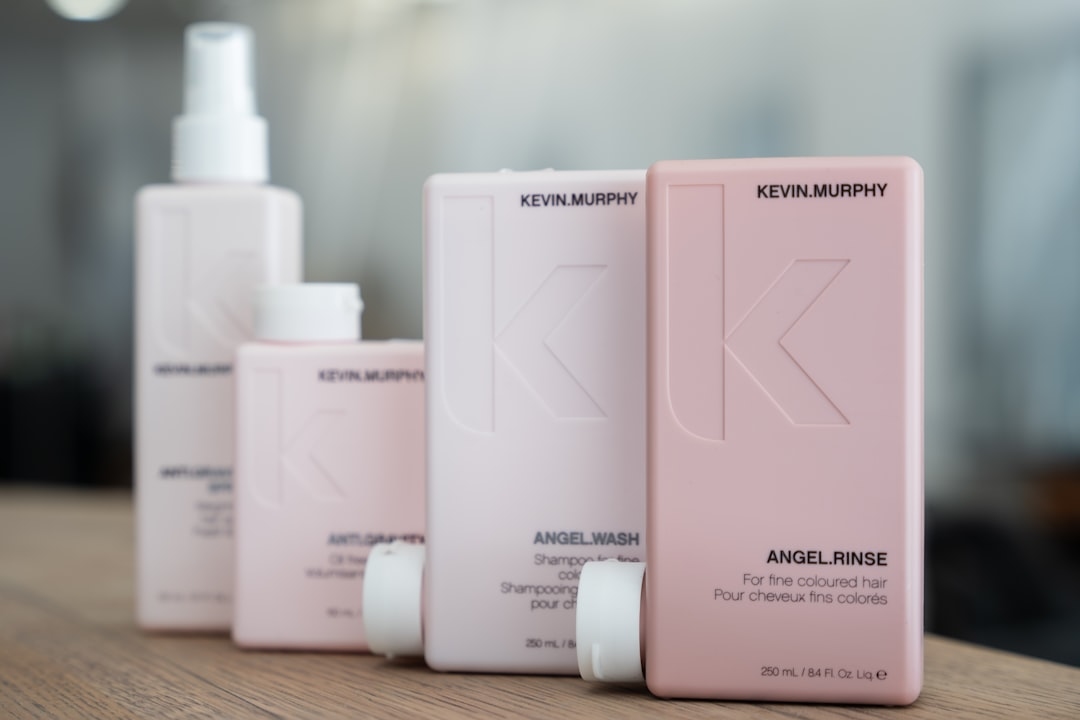
- Cantu Volumising Shampoo and Conditioner (£4-5 each) – lightweight, affordable
- SheaMoisture Raw Shea Butter Volumising Shampoo (£6-8) – natural formula, effective
- Tresemmé Beauty-Full Volume Shampoo and Conditioner (£2-3 each) – budget option, surprisingly effective
- Kérastase Genesis Volumising Range (£20-26 per product) – professional quality
- Philip Kingsley Volumising Shampoo (£15-18) – specialist brand, excellent results
Protocol: Use volumising shampoo daily or every other day. Use volumising conditioner only on mid-lengths and ends, never on the scalp—this prevents weight accumulation at roots where it matters. After 4 weeks of consistent use, hair noticeably feels thicker and appears fuller.
Protein Treatments for Strengthening
Fine or damaged hair lacks structural integrity. Protein treatments rebuild the protein matrix, making each strand stronger and fuller-appearing.
How they work: Hair is primarily made of keratin (a protein). Damaged hair has gaps in the keratin structure. Protein treatments fill these gaps, restoring strength and creating smoother, fuller-appearing hair.
Application: Use protein treatments 1-2 times weekly. Apply to damp hair, leave on 10-20 minutes, then rinse. Results build cumulatively—week 1 brings noticeable softness; week 4-6 brings visible volume increase.
Options:
- SheaMoisture Raw Shea Butter Restorative Masque (£6-8) – protein-rich, affordable
- Cantu Shea Butter Restorative Mask (£4-5) – budget-friendly protein treatment
- Olaplex No. 3 Hair Perfector (£28-32) – professional option, excellent results
- Kérastase Genesis Hair Mask (£20-26) – luxury option, premium results
Scalp Treatments and Root Boosts
Hair grows from the scalp. A healthy scalp produces stronger hair with better volume. Scalp treatments specifically address scalp health, leading to thicker regrowth.
Scalp treatment protocol: Use a dedicated scalp treatment 1-2 times weekly. Massage onto scalp with fingers, leave on 10-15 minutes, shampoo thoroughly. Results take 6-8 weeks as new hair grows in stronger.
Options:
- Kérastase Genesis Purifying Scalp Scrub (£22-26) – removes buildup, boosts circulation
- Philip Kingsley Flaky/Itchy Scalp Treatment (£20-24) – supports scalp health
- Briogeo Scalp Revival Charcoal + Tea Tree Scalp Treatment (£18-22) – natural option
Styling Product Choices That Support Volume
Heavy styling products destroy volume. Selecting light formulas preserves and enhances it.
Products to avoid: Thick creams, heavy serums, silicone-based shine sprays. These weigh hair down dramatically.
Products to choose: Lightweight gels, matte spray formulas, clay-based products. These add texture without weight.
Light styling options:
- Cantu Coconut Curling Cream (£4-5) – surprisingly light despite being cream
- Bumble and bumble Thickening Full Form Styling Cream (£28-32) – adds volume while styling
- Tigi Bed Head Matte Separation Wax (£6-8) – adds texture without weight
- Superdrug B. Fresh Volumising Spray (£2-3) – ultra-light hold
Professional Treatments for Volume
Volumising Treatments at Salons
Salons offer protein treatments and volumising treatments that are stronger than at-home versions. These cost £30-60 per session and deliver noticeable results within one session.
Available at most salons. Ask your stylist about volumising treatments, texturising treatments, or protein treatments specifically designed to add volume.
Perms and Volumising Perms
Perms create permanent curl pattern. Volumising perms (sometimes called body perms) create subtle curl that adds volume without obvious curl. They last 3-6 months before fading.
Cost: £60-150 depending on salon. Works on all hair types but requires professional application. Results are semi-permanent but transform flat hair into voluminous hair. Consider if you’re desperate for volume—perms cause some damage but deliver dramatic results.
Seasonal Adjustments for Optimal Volume
Spring (March-May): Increasing humidity helps hair hold volume naturally. Use lighter products. Volumising treatments work excellently during this season.
Summer (June-August): High humidity can fight volume (hair absorbs moisture and flattens). Use anti-humidity products and lighter volumising creams. Teasing and blow-drying become more important for maintaining volume.
Autumn (September-October): Decreasing humidity aids volume. Switch to slightly heavier volumising products to take advantage of drier air. Results from volumising treatments become more visible.
Winter (November-February): Indoor heating dries air dramatically. Hair is naturally drier and can appear flatter. Use the heaviest volumising products and most frequent scalp treatments. Deep conditioning prevents dryness-related flatness.
A Historical Perspective: Volume Through the Decades
Volume has been valued across centuries. The 1960s bouffant required teasing and backcombing. The 1980s big hair used perms and heavy styling products. The 1990s-2000s relaxed into flatter styles. Today, textured, voluminous hair is trending again. This suggests that creating volume isn’t about following trends—it’s about feeling confident in your hair. Whether you’re chasing the full Audrey Hepburn look or simply wanting thicker-appearing hair, the methods described work regardless of the decade.
FAQ: Hair Volume Questions
Can I make thin hair appear thick permanently?
Not permanently, but long-term improvement is achievable. Using volumising products daily and protein treatments weekly gradually strengthens hair, making it genuinely thicker and fuller. Results compound over 8-12 weeks. These improvements persist as long as you maintain the product routine.
Does teasing damage hair?
Gentle teasing (backcombing) causes minimal damage if done properly. Harsh teasing or rough removal can cause breakage. Use a proper teasing brush, be gentle, and remove carefully by gently brushing rather than ripping. Done correctly, teasing is low-risk.
Is a perm suitable for fine hair?
Volumising perms work well on fine hair. Traditional perms can damage fine hair, so request a volumising perm (gentler formula, lighter wave). Discuss with your stylist—they can assess whether your hair is healthy enough for perming.
Which styling tool creates the most volume?
A blow dryer with a round brush, combined with teasing, creates the most volume. Flat irons and straighteners do the opposite. If volume is your goal, avoid heat tools that flatten (straighteners) and embrace tools that lift (blow dryers with round brushes).
How long do volumising products last?
Mousse and sprays wash out with next shampoo. Shampoo and conditioner’s effects persist permanently—once you switch to volumising formulas, your hair stays thicker until you stop using them. Protein treatments’ benefits last 1-2 weeks before fading. Perms last 3-6 months before fading completely.
How to give hair volume comes down to combining instant methods with longer-term improvements. Start today with volumising mousse and proper blow-drying technique—you’ll see immediate results. Over the next 4-8 weeks, switch to volumising products and protein treatments—you’ll see hair actually become thicker and fuller. By month 3, you’ve gone from struggling with flat hair to naturally voluminous hair that requires minimal daily effort. The investment is modest, the results are dramatic, and the confidence boost is immeasurable.