Contents:
- How Laser Hair Removal Actually Works
- Does Laser Hair Removal Actually Deliver Results?
- Hair and Skin Colour
- Hair Thickness
- Your Skin Type and Sun Exposure
- Hormonal Factors
- Laser Hair Removal Versus Other Hair Removal Methods
- Laser Hair Removal vs. Waxing
- What to Expect During Your Treatment Course
- Before Your First Appointment
- During Treatment
- After Treatment
- Cost and Investment Considerations
- Sustainability and Eco-Friendly Considerations
- Who Should Avoid Laser Hair Removal
- Common Mistakes People Make
- Choosing the Cheapest Clinic
- Not Preparing Skin Properly
- Skipping Sessions or Spacing Them Incorrectly
- Expecting Permanent Results After Fewer Sessions
- Frequently Asked Questions
- Is laser hair removal actually permanent?
- How many sessions do I actually need?
- Will my hair grow back thicker after laser treatment?
- Can I use laser hair removal on sensitive areas like my face?
- What happens if I stop getting touch-up sessions?
- Making Your Decision
Laser hair removal genuinely works—but not quite in the way the marketing claims. You won’t wake up hair-free after one session, and calling it “permanent” requires some qualification. That said, it’s the most effective long-term hair reduction method available today, backed by decades of clinical evidence and millions of satisfied clients worldwide.
Before you book your first appointment, though, you should understand exactly what laser hair removal does, how it works, why results vary so dramatically between people, and whether it’s actually right for you. This guide pulls together everything you need to make an informed decision.
How Laser Hair Removal Actually Works
The technology behind laser hair removal is genuinely clever. A laser generates highly concentrated light at a specific wavelength—typically between 694 and 1064 nanometres, depending on the laser type. This light travels through your skin and targets melanin, the pigment inside your hair follicles.
Here’s the crucial bit: the heat damages the follicle during its active growth phase, a stage called the anagen phase. This heat damages the stem cells responsible for hair regeneration. When the follicle is successfully damaged, it stops producing hair permanently. The hair doesn’t just become thinner or slower to grow—the follicle itself shuts down.
However, your hair doesn’t grow all at once. At any given time, only about 20 per cent of your hair follicles are in the anagen phase. This is why laser hair removal requires multiple sessions—typically 6 to 12 treatments spaced 4 to 6 weeks apart. Each session targets a fresh batch of active follicles. Most clinics space treatments at intervals matching your hair growth cycle for maximum effectiveness.
Sarah Chen, a registered trichologist at London’s Advanced Hair Institute, explains: “The most common misconception is that one session removes all hair permanently. In reality, you need multiple sessions because your hair growth cycle means only a fraction of follicles are vulnerable at any given time. We typically see 10 to 20 per cent permanent reduction per session in appropriately selected candidates.”
Does Laser Hair Removal Actually Deliver Results?
The short answer: yes, but results depend heavily on your specific circumstances. Clinical studies consistently show that laser hair removal reduces hair growth by 70 to 90 per cent after completing a full treatment course. That’s genuinely impressive and well above what you’ll achieve with razors, waxing, or depilatory creams.
But here’s what matters for your own situation. The effectiveness varies significantly based on:
Hair and Skin Colour
Laser hair removal works best on dark hair and light skin. The contrast makes melanin easy for the laser to target. If you have dark skin and dark hair, you’ll still see excellent results, but your technician needs to use different laser wavelengths and lower energy settings to avoid burning your skin. Red or blonde hair is much trickier because melanin levels are lower—you might need more sessions or see less dramatic results.
The gold standard combination is dark hair on light skin, which typically needs 6 to 8 sessions for 85 to 90 per cent permanent reduction. Darker skin tones usually need 8 to 12 sessions. Blonde or red hair often requires 10 to 15 sessions and may achieve only 50 to 70 per cent reduction.
Hair Thickness
Thicker, coarser hair contains more melanin and responds faster to laser treatment. Fine, thin hair is harder to target effectively, which is why you might need more sessions. If you have dark, thick facial hair, you’ll likely see dramatic results. If you have fine, light body hair, results will be less pronounced.
Your Skin Type and Sun Exposure
Your skin’s sun exposure directly affects results. Sunburned or tanned skin increases burn risk and reduces laser effectiveness. Technicians typically ask you to avoid sun exposure for at least 4 weeks before treatment and recommend using SPF 50+ sunscreen daily during your treatment course. This matters more than it sounds—a tan literally reduces the contrast between your hair and skin, making the laser less precise.
Hormonal Factors
Hormones significantly influence hair growth. If you have conditions like polycystic ovary syndrome (PCOS), hormonal imbalances, or are taking certain medications, your hair might regrow despite successful laser treatment. This isn’t a failure of the laser—it’s your hormones stimulating new hair growth from untreated follicles. You’ll still have permanent reduction from treated follicles, but new hairs may develop over time.
Laser Hair Removal Versus Other Hair Removal Methods
Understanding how laser stacks up against alternatives helps clarify whether it’s genuinely worth the cost and commitment. Let’s compare it to waxing, the most commonly confused alternative.
Laser Hair Removal vs. Waxing
Waxing removes hair from the root, which is why it feels smooth for 3 to 6 weeks. But waxing removes the hair shaft—not the follicle itself. Once you stop waxing, hair grows back exactly as it was. With laser, you’re actually destroying the follicle permanently, so hair doesn’t return to its previous thickness.
Cost comparison: a single wax session on your legs costs £25 to £50. If you wax 8 times yearly, that’s £200 to £400 annually, or roughly £2,000 to £4,000 over a decade. A full laser course for legs costs £800 to £1,500 upfront, then you might need occasional touch-ups at £150 to £300 per session, perhaps once or twice yearly. After three years, you’ll typically spend less on laser than on regular waxing, and you’re not repeating the process every month.
Time perspective: waxing takes 30 to 45 minutes monthly. Laser appointments take 20 to 30 minutes but only every 4 to 6 weeks for the first 6 months, then less frequently. Over a year, laser requires far fewer appointments.
Comfort: waxing is unquestionably more painful per session. Laser feels like a hot rubber band snap. Most people find laser significantly more tolerable, though pain tolerance varies individually. Numbing creams can reduce laser discomfort further.
What to Expect During Your Treatment Course
Before Your First Appointment
Avoid sun exposure for 2 to 4 weeks beforehand. Shave the treatment area the day before, but don’t wax, pluck, or use depilatory creams—you need the hair roots intact for the laser to target. Avoid caffeine for 24 hours before treatment, as it can increase skin sensitivity. Some clinics recommend taking ibuprofen 30 minutes before your appointment to reduce discomfort.
During Treatment
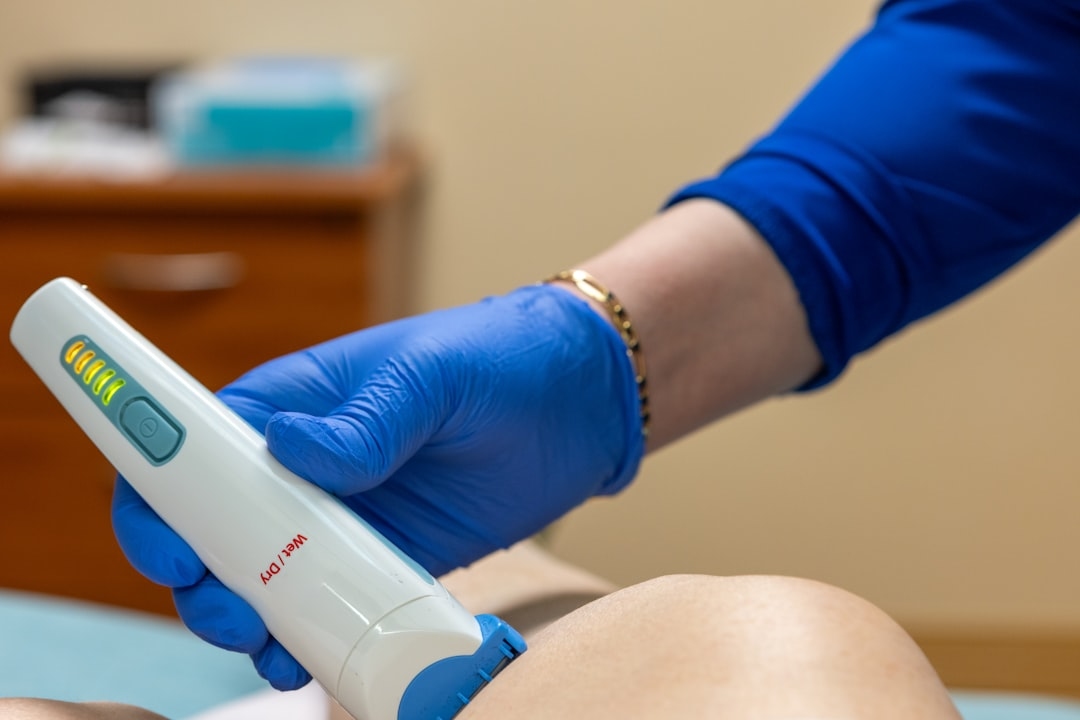
The technician applies a cooling gel, then moves the laser handpiece over your skin systematically. You’ll see brief flashes of light and feel warmth and slight snapping sensations. The session typically takes 20 to 30 minutes depending on treatment area size. Underarms take 10 to 15 minutes. Full legs take 45 to 60 minutes.
Most people experience minimal discomfort, though the upper lip and bikini areas are more sensitive. The cooling gel and modern lasers with integrated cooling systems make treatment quite bearable for most clients.
After Treatment
Your skin might appear slightly pink for 24 hours. You’ll see the treated hair gradually shed over 7 to 14 days—this isn’t new hair growth, just the treated hair being pushed out. New hair growth appears in roughly 4 weeks, which is why spacing between sessions is important. Most clinics recommend 4 to 6 week intervals.
After your complete course (typically 6 to 12 sessions), hair regrowth slows dramatically. Many people see no hair regrowth for 6 to 12 months. When hair does regrow, it’s often thinner, lighter, and slower growing. Touch-up sessions once or twice yearly maintain results indefinitely.
Cost and Investment Considerations

UK pricing varies by location and clinic quality. London clinics charge at the higher end, whilst regional clinics are more affordable. Here are typical 2026 prices for a complete treatment course:
- Small areas (upper lip, underarms, bikini): £400 to £800 for full course
- Medium areas (half legs, full arms): £800 to £1,200 for full course
- Large areas (full legs): £1,200 to £2,000 for full course
- Full body packages: £2,000 to £3,500 for full course
Many clinics offer discounted package prices if you book multiple sessions upfront. Some offer payment plans spread over several months. Touch-up sessions typically cost 30 to 50 per cent of the original session price.
Factor in the cost of sun protection during treatment (SPF 50+ sunscreen isn’t cheap if you’re reapplying throughout the day), plus potentially numb cream if you’re sensitive. The total investment is real, but compare it to decades of waxing, shaving, or depilatory cream costs—the maths often favours laser.
Sustainability and Eco-Friendly Considerations
If you’re environmentally conscious, laser hair removal offers genuine advantages over conventional alternatives. Razors contribute thousands of disposable blades to landfill annually. Depilatory creams contain chemicals that require careful disposal and occasionally harm water systems. Wax strips generate plastic waste consistently. Laser hair removal eliminates this ongoing waste stream entirely.
The energy consumption of laser machines is relatively low—a single treatment uses roughly the same electricity as running a hairdryer for 30 minutes. Over a full treatment course, your environmental footprint is substantially smaller than maintaining alternative hair removal methods for years.
If you choose a clinic powered by renewable energy (increasingly common in 2026), your environmental impact drops further. Many salons in London and other major UK cities now operate on 100 per cent renewable electricity. It’s worth asking clinics about their energy sourcing when booking.
Who Should Avoid Laser Hair Removal
Laser hair removal isn’t universally suitable. Avoid it if you:
- Have red or very blonde hair (insufficient melanin for effective targeting)
- Have very dark skin and are using older laser technology (newer long-wavelength lasers are much safer for darker skin)
- Are pregnant (treatment safety during pregnancy isn’t fully established)
- Have active skin infections, open wounds, or severe acne in the treatment area
- Take photosensitising medications (certain antibiotics, NSAIDs, or acne treatments)
- Have a history of keloid scarring (your skin tends to over-heal, creating raised scars)
- Are unwilling to avoid sun exposure during your treatment course
If you fall into any of these categories, discuss alternatives with a dermatologist. Sometimes addressing the underlying issue (waiting until after pregnancy, treating acne first) makes treatment possible later.
Common Mistakes People Make
Choosing the Cheapest Clinic
Laser hair removal prices vary wildly across the UK. A session costing £30 is almost certainly using lower-quality equipment than one costing £100. Older or poorly maintained lasers require more sessions, deliver less dramatic results, and pose higher burn risk. Investing in a reputable clinic with modern equipment and trained technicians saves money and stress long-term.
Not Preparing Skin Properly
Many people sunbathe before appointments despite being told not to. A tan reduces laser effectiveness and increases burn risk. Others don’t shave beforehand, forcing technicians to shave you at the appointment (adding time and sometimes causing irritation). Proper preparation directly impacts results.
Skipping Sessions or Spacing Them Incorrectly
Your hair growth cycle is predictable. Spacing sessions too far apart wastes treatment cycles. Spacing them too close together also wastes money—if you return before new hair growth emerges, the laser has less to target. Stick to your technician’s recommended schedule (typically 4 to 6 weeks) for best results.
Expecting Permanent Results After Fewer Sessions
Most people expect dramatic results after 2 to 3 sessions. Real results emerge after 6 to 8 sessions. Hormonal factors, hair colour, and skin type all influence this timeline. Some people see 70 per cent reduction after 6 sessions; others need 10 to 12. Patience is essential.
Frequently Asked Questions
Is laser hair removal actually permanent?
Laser hair removal is permanently effective on treated follicles—they don’t regrow. However, it’s typically called “permanent hair reduction” rather than “permanent hair removal” because new follicles can develop from hormonal changes, and some follicles might not be destroyed on your first pass. Most people achieve 70 to 90 per cent permanent reduction with occasional touch-ups maintaining results long-term.
How many sessions do I actually need?
Most people need 6 to 12 sessions spaced 4 to 6 weeks apart. Dark hair on light skin typically needs 6 to 8 sessions. Red or blonde hair might need 10 to 15. Your technician can estimate based on your hair colour and skin type at your consultation, but individual results vary.
Will my hair grow back thicker after laser treatment?
No. This is a persistent myth. Hair cannot grow back thicker after laser treatment because you’ve destroyed the follicle responsible for that hair’s growth. Any hair that regrows comes from separate, untreated follicles and is typically lighter and finer than before treatment.
Can I use laser hair removal on sensitive areas like my face?
Yes, but with caution. The upper lip, chin, and bikini areas are more sensitive and prone to irritation. Use a clinic experienced with facial treatment. Discuss numbing cream options. Expect slightly more discomfort than body treatments, but most people find it manageable. Ensure your technician uses appropriate laser settings for facial skin.
What happens if I stop getting touch-up sessions?
Hair won’t suddenly regrow. The follicles you’ve permanently destroyed stay destroyed. However, hormonal changes and new follicle development might trigger new hair growth over years. Most people need occasional touch-ups (once or twice yearly) to maintain completely hair-free skin, but even without touch-ups, you’ll have significantly less hair than before treatment and enjoy years of substantially reduced growth.
Making Your Decision
Does laser hair removal work? Absolutely—the evidence is overwhelming. For most people with appropriate hair and skin characteristics, it delivers 70 to 90 per cent permanent hair reduction. It’s more effective than waxing, less painful, more convenient, and often cheaper over time.
However, effectiveness depends entirely on your individual circumstances. If you have red hair, very dark skin with an unsuitable laser type, or significant hormonal influences on hair growth, results might disappoint. The only way to know for certain is to consult a qualified technician who can assess your specific hair and skin characteristics and give you realistic expectations.
Book a consultation before committing. Reputable clinics offer free or low-cost consultations where they assess your suitability, explain their specific laser technology, answer your questions, and provide honest expectations based on your hair colour, skin tone, and hair thickness. That conversation will tell you everything you need to decide whether laser hair removal is genuinely right for you.