Contents:
- Understanding Hair Crimping and Its Purpose
- Choosing the Right Crimping Tool for Your Hair
- Budget-Friendly Options
- Mid-Range Professional Tools
- Premium Salon-Grade Equipment
- Preparing Your Hair for Crimping
- Washing and Conditioning
- Drying Your Hair
- Applying Heat Protection
- Creating Sections
- The Crimping Process: Step-by-Step Technique
- Getting the Temperature Right
- Positioning the Tool
- The Crimping Motion
- Managing Your Crown and Face-Framing
- Post-Crimping Care and Styling
- Cooling Your Newly Crimped Hair
- Brushing and Blending
- Styling Products for Crimped Hair
- Regional Styling Variations
- Common Crimping Mistakes to Avoid
- Maintenance and Longevity of Crimped Hair
- Extending Your Crimp’s Lifespan
- Rehydrating Crimped Hair
- When to Recrimp
- Budget Breakdown for Regular Crimping
- Frequently Asked Questions About Hair Crimping
- Can you crimp damaged or previously coloured hair?
- How long do crimped waves actually last?
- Will crimping permanently damage my hair?
- Can you crimp short hair or very thick hair?
- What’s the difference between crimping and waving?
- Making Crimping Work for Your Hair Type
- Fine or Thin Hair
- Curly or Textured Hair
- Thick or Coarse Hair
- Professional Tips for Best Results
Back in the 1980s, crimped hair became a cultural phenomenon, transforming into the decade’s most iconic look. From music videos to high street fashion, those tight zigzag waves defined an era. What started as a rebellious statement has never truly disappeared—it’s simply evolved. Today’s crimping techniques are far more refined, offering texture and dimension without the damage that plagued the original method.
Understanding Hair Crimping and Its Purpose
Crimping creates structured, zigzag waves throughout your hair, building volume and texture from root to tip. Unlike curling or waving, which produces rounded shapes, crimping produces sharp, angular ridges that catch light differently and add genuine substance to fine or limp hair.
The technique works by clamping sections of hair between heated metal plates with a distinctive wavy pattern. When the heat sets the protein structure of your hair, it holds that wave pattern until you decide to wash it out. This makes crimping particularly useful for adding body to flat hair, creating grip for styling products to hold onto, and creating an edgy, textured aesthetic that remains trendy in 2026.
Different regions favour crimping for different reasons. In the Northeast, particularly amongst younger stylists, microfiber crimping tools have become popular for creating subtle texture without the heavy 1980s effect. The South tends to embrace fuller, bolder crimping for special occasions and everyday styling. The West Coast leans toward minimal, strategic crimping to create movement and dimension rather than coverage.
Choosing the Right Crimping Tool for Your Hair
The quality of your crimping tool directly affects your results. You’ll find three main categories in UK shops: budget tools (£15-£30), mid-range professional options (£35-£70), and high-end salon-grade equipment (£75-£150+).
Budget-Friendly Options
Cheaper crimpers typically use basic heating elements and may have inconsistent temperature control. They often take 5-10 minutes to reach maximum temperature and cool quickly between uses. Whilst they can work, they’re more prone to creating frizz and heat damage, particularly on delicate or previously treated hair.
Mid-Range Professional Tools
Professional-quality crimpers priced around £40-£60 offer ceramic or tourmaline-coated plates, which distribute heat more evenly and reduce frizz. They heat up faster (2-3 minutes) and maintain consistent temperatures. Brands offering solid options in this range typically include ceramic-plated designs with ionic technology, which helps seal your hair cuticles.
Premium Salon-Grade Equipment
High-end crimpers feature advanced heating technology, precision temperature settings (usually 160-230°C), and ultra-smooth plates that glide through hair without snagging. These tools pay for themselves through longevity and superior results, particularly if you crimp regularly.
Look for tools with the following features: variable temperature controls, quick heat-up times under 3 minutes, plates made from ceramic, tourmaline, or titanium, ionic or far-infrared technology, and a responsive cable that doesn’t tangle easily.
Preparing Your Hair for Crimping
Washing and Conditioning
Start with freshly washed hair, ideally 1-2 days after your last wash. Hair that’s too clean can be slippery and difficult to crimp effectively, whilst hair with some natural oils provides better grip. Use a moisturising shampoo and conditioner, as crimping is a heat process that requires well-hydrated hair to prevent damage.
Drying Your Hair
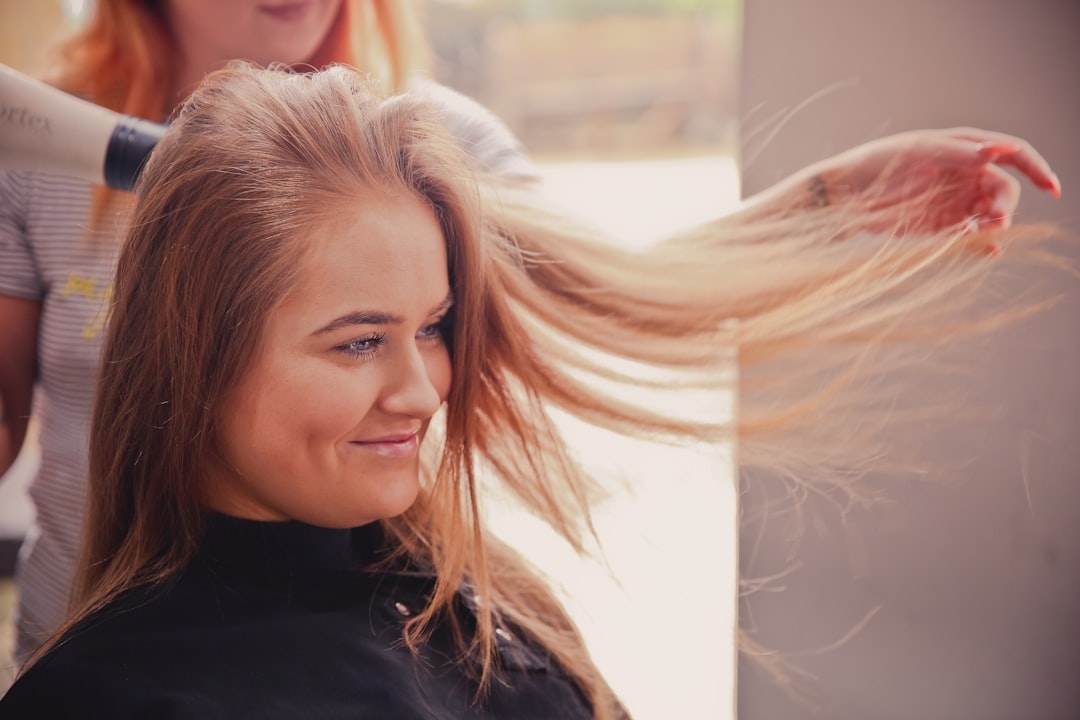
Your hair must be completely dry before crimping—any moisture will cause steam burns and create frizz rather than defined waves. Blow-dry your hair using a nozzle attachment to direct the airflow. Aim for a smooth, straight base. If you have naturally curly hair, you may want to rough-dry first, then smooth it with a paddle brush during the final stage.
Applying Heat Protection
This step cannot be overstated. A heat protection spray or serum creates a moisture barrier between your hair and the crimping tool. Popular UK brands offer sprays ranging from £5-£15. Apply the product evenly throughout damp hair before blow-drying, or spray it onto sections as you work. Look for products containing silicones, plant oils, or ceramides.
Creating Sections
Divide your hair into 4-6 manageable sections using clips. Start by making a centre parting from crown to nape, then divide each side in half vertically. This creates four to six sections depending on your hair density. Thicker hair requires more sections for even coverage; finer hair may only need four. Securing sections prevents you from accidentally missing spots and makes the process faster.
The Crimping Process: Step-by-Step Technique
Getting the Temperature Right
Temperature depends on your hair type. Fine or previously coloured hair should be crimped at 160-190°C. Normal, healthy hair tolerates 190-210°C. Thick or resistant hair can handle 210-230°C. Start lower than you think you need—you can always increase the temperature, but you cannot undo heat damage. Let your crimper heat fully before starting; a 3-minute preheat is standard.
Positioning the Tool
Working with the first section, smooth it straight using a paddle brush. Place the crimper at the roots, making sure the hair sits evenly between the plates. You want the plates to grip your hair firmly without pinching your scalp. For your first attempt, practice on a back section where slight imperfections won’t show.
The Crimping Motion
Close the crimping tool and hold it steady for 3-5 seconds. The exact duration depends on your tool and hair type; thicker hair needs longer. You’ll hear a slight sizzle—this is normal. Slowly move the tool down the hair section by about 2-3cm, then clamp again. Overlap slightly with each new crimp to ensure you don’t miss any hair. Work methodically from roots to ends.
Managing Your Crown and Face-Framing
The crown requires special attention because the texture here shows prominently. Crimp smaller sections around the crown area to build genuine volume. For face-framing pieces, crimp from the mid-length downward rather than starting at the root—this prevents a harsh, heavy appearance. Some stylists recommend leaving the very top layer slightly uncrimped, then brushing it gently over the crimped underneath for a more blended look.
Post-Crimping Care and Styling
Cooling Your Newly Crimped Hair
Allow your hair to cool completely before touching it much—at least 10-15 minutes. This allows the wave pattern to set properly. You can speed this up by using a cool shot from your hairdryer. Avoid running your fingers through the hair whilst it’s warm, as this disrupts the crimp pattern.
Brushing and Blending
Once completely cool, use a wide-tooth comb or vent brush to gently separate and blend the crimped sections. This prevents a clumpy appearance and creates a more natural, textured look. Be gentle—aggressive brushing can destroy the crimp pattern entirely. If you want a fuller, more obviously crimped effect, skip this step and keep the sections distinct.
Styling Products for Crimped Hair
Crimped texture holds styling products beautifully. Apply a light texture spray, dry shampoo, or volumising mousse to enhance definition. Avoid heavy serums or silicone products immediately after crimping, as these can weigh the texture down. A volumising powder applied to the roots boosts fullness, particularly effective for fine hair. Sea salt sprays (around £8-£12 in UK shops) add grip and a lived-in aesthetic.
Regional Styling Variations

A London fashion student explained her approach: “I crimp just my underlayers and blend them with smooth hair on top—it’s subtle but adds movement. My friends in Manchester love full-head crimping for a bolder look. It’s all about the vibe you’re going for.”
This regional variation reflects different styling philosophies. Northeast and London stylists typically favour selective, strategic crimping for dimension. Midlands and Northern stylists embrace fuller crimping for obvious texture and volume. Southern England often sees softer crimping combined with curls or waves for a romanticised effect.
Common Crimping Mistakes to Avoid
Skipping heat protection is the most damaging error. Even one session without protection can cause breakage and dryness. Never crimp wet or damp hair—this creates frizz and potential steam burns. Using too high a temperature damages hair cuticles irreversibly. Crimping the same section repeatedly thinking it hasn’t worked well enough also causes unnecessary damage.
Another common mistake is crimping all the way to the ends on thin hair, which can make ends appear wispy or damaged. Instead, start crimping slightly above the ends. Finally, expecting crimps to last indefinitely without maintenance is unrealistic. Crimps typically last 3-7 days depending on your hair type and how you sleep—protective silk pillowcases extend this.
Maintenance and Longevity of Crimped Hair
Extending Your Crimp’s Lifespan
Sleep on a silk or satin pillowcase rather than cotton, which causes friction and flattens waves. A loose braid or high ponytail before bed also protects your crimp. Avoid washing for at least 24-48 hours after crimping if possible. When you do wash, use dry shampoo in between full washes to maintain texture without reintroducing moisture that softens the wave pattern.
Rehydrating Crimped Hair
Whilst you want to avoid washing immediately after crimping, you do need to maintain moisture. Use a hydrating hair mask or oil treatment on the mid-lengths and ends twice weekly. Look for products containing argan oil, coconut oil, or keratin—costs typically range from £6-£20 per product in UK retailers. This prevents the dryness and brittleness that heat styling can cause.
When to Recrimp
Once your crimp flattens, you have two options: gently re-crimp over the existing texture (faster, uses less product), or wash the hair out completely and start fresh. Re-crimping works fine if your hair is still in good condition, typically for 1-2 touch-ups. After that, give your hair a break with a moisturising routine before crimping again.
Budget Breakdown for Regular Crimping
If you plan to crimp regularly in 2026, here’s a realistic cost estimate:
- Crimping tool: £40-£70 (one-time investment lasting 2-3 years)
- Heat protection spray: £5-£10 per bottle (lasts 2-3 months with regular use)
- Texture spray or dry shampoo: £4-£8 per bottle (monthly usage)
- Hydrating treatments: £8-£15 per mask or oil (twice-weekly application)
- Silk pillowcase: £12-£25 (one-time investment, lasts 1-2 years)
Monthly maintenance costs for someone crimping twice weekly average around £15-£25 for products, amortised over a professional-quality tool’s lifespan. This makes home crimping substantially cheaper than salon visits for the same effect, which typically cost £30-£60 per appointment.
Frequently Asked Questions About Hair Crimping
Can you crimp damaged or previously coloured hair?
Yes, but with care. Damaged hair requires lower temperatures (160-180°C) and excellent heat protection. Assess your hair’s condition first—if it breaks easily or feels straw-like, do a hydrating treatment course for 1-2 weeks before crimping. Heavily bleached or chemically treated hair may be too fragile; consult a stylist if you’re uncertain.
How long do crimped waves actually last?
Crimped texture typically lasts 3-7 days depending on hair porosity, density, and how you sleep. Fine hair usually holds crimps for 3-4 days; coarse hair can maintain texture for 5-7 days. Humidity, heat, and moisture all affect longevity. Sleeping with protective styling (braids, buns) and a silk pillowcase extends the effect.
Will crimping permanently damage my hair?
Occasional crimping with proper heat protection and maintenance causes no permanent damage to healthy hair. Regular crimping (more than twice weekly) without adequate hydrating treatments may lead to cumulative dryness or breakage over months. Spacing crimping sessions 5-7 days apart allows your hair to recover between treatments.
Can you crimp short hair or very thick hair?
Short hair (pixie cuts or bobs) can be crimped, though the effect is more dramatic and may read as simply adding volume rather than creating waves. Thick hair absolutely can be crimped—you may need more sections and slightly longer clamping times (4-6 seconds) to ensure the heat penetrates throughout.
What’s the difference between crimping and waving?
Crimping creates sharp, angular zigzag patterns using tool plates with jagged indents. Waving produces softer, rounder curves using tools with smoother, wave-shaped plates. Crimping adds more volume and visible texture; waving creates movement and dimension with a softer appearance. Both use heat, but the final aesthetic differs significantly.
Making Crimping Work for Your Hair Type
Fine or Thin Hair
Crimping is particularly effective for fine hair because it genuinely creates volume. Use a mid-range temperature (180-200°C) and focus on the crown and underneath layers. Keep the crimp pattern precise and defined—loose or sloppy crimping can read as frizz rather than texture on fine hair. Choose a tool with smaller plates so you can work smaller sections more precisely.
Curly or Textured Hair
Crimping textured hair creates a more complex, multi-dimensional look. Ensure your hair is completely straight before crimping for maximum control. Use a lower temperature (175-190°C) as textured hair is often more porous. The crimp pattern may interact with your natural texture, creating an interesting layered effect rather than a uniform wave.
Thick or Coarse Hair
Thick hair holds crimps beautifully but requires higher temperatures (200-220°C) and longer contact time. Use a tool with larger plates to cover more surface area efficiently. Divide hair into more sections than someone with finer hair would—up to 8-10 sections for shoulder-length or longer hair. The payoff is that thick hair maintains crimped texture excellently, often for a full week or more.
Professional Tips for Best Results
Stylists recommend prepping your workspace before beginning. Have all sections clipped, your heat protection applied, and your crimper heated and ready before you start. This streamlines the process and prevents your hair cooling between sections.
Consistency matters. Crimp at the same speed and with the same pressure on each section. Vary your clamping duration slightly for the crown (slightly longer) versus ends (slightly shorter) to create a more natural-looking gradient of texture rather than uniform waves throughout.
Finally, learn your hair’s memory. Practise on one section first to determine your ideal temperature and hold time. Your hair will tell you whether it responds better to 30% longer contact times or slightly higher heat. This personalisation prevents overworking or undercooking the crimp.
Crimping has transformed from a 1980s statement into a versatile, modern styling technique that works across hair types, lengths, and personal aesthetics. Whether you’re seeking volume, texture, edge, or simply a fresh look, mastering this technique opens up styling possibilities year-round. Start with a quality tool, respect the heat, prioritise hair health, and you’ll achieve professional-looking results every time.